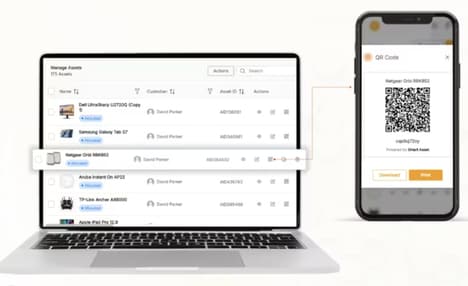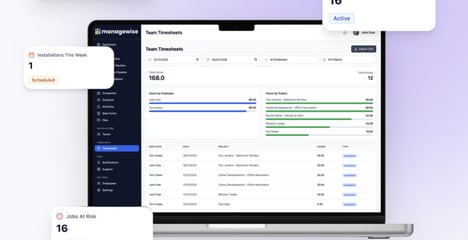
Traditional ERP systems are often designed for back-office environments, making them difficult to use for teams operating in the field. Fieldmobi takes a different approach with a mobile-first ERP platform built for businesses that manage assets, operations, and employees across multiple locations.
The platform provides a fully integrated suite of tools that can be accessed from anywhere, helping organisations manage field operations more effectively. With AI-powered configuration and deployment capabilities, businesses can set up and roll out the system faster while tailoring workflows to their specific needs. Designed for companies with distributed teams and assets, Fieldmobi connects frontline operations with core business processes in a single platform. Whether managing maintenance, service teams, inventory, or field assets, the solution helps improve visibility, coordination, and efficiency across the organisation.
Image Credit: Fieldmobi
What Makes This Trend Stand Out
- Mobile-first ERP
- Mobile-native enterprise platforms create room for more adaptive operations software that reflects the realities of distributed, on-site, and frontline work.
- AI-configured Workflows
- AI-assisted setup and customization reduce implementation complexity, making enterprise systems more accessible to companies with specialized operational needs.
- Connected Field Operations
- Unified visibility across assets, employees, inventory, and service activity supports new models for real-time coordination beyond traditional office-based management.
Sectors Adopting This
- Enterprise Software
- Cloud and mobile ERP providers are reshaping business management tools around frontline usability, faster deployment, and integrated operational intelligence.
- Field Services
- Service organizations gain value from platforms that link technicians, assets, inventory, and maintenance workflows into a single operational environment.
- Asset Management
- Distributed asset-heavy businesses benefit from digital systems that combine location-based oversight, workforce coordination, and centralized business process control.