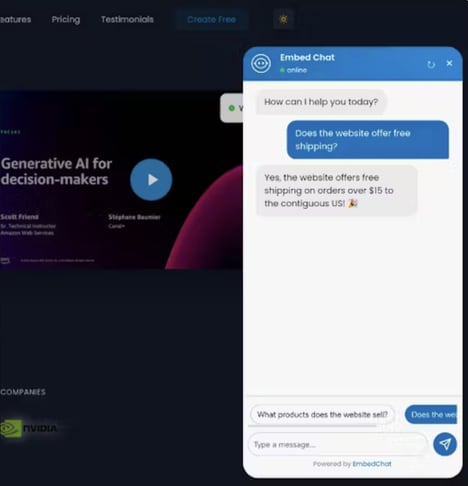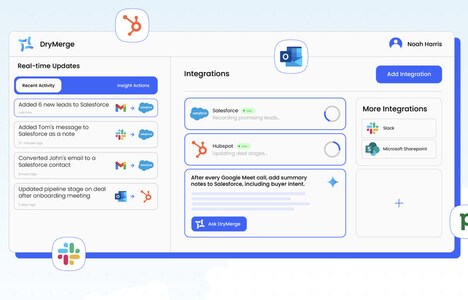
Embed Workflow provides a way for software platforms to offer workflow-building capabilities directly within their own interfaces. Instead of relying on external automation tools, businesses can enable users to design processes — such as approvals, notifications, or data routing — inside the product they already use.
This approach can increase user retention by reducing friction and centralizing operational tasks. For product teams, embedding workflow creation also supports deeper customization without requiring custom development for every client request. It can streamline onboarding, improve process transparency, and expand the platform’s value without significantly increasing engineering overhead. As more companies aim to become operational hubs for their customers, in-app workflow builders demonstrate a strategic path toward enhancing flexibility, reducing integrations, and strengthening long-term product adoption.
Image Credit: Embed Workflow
What's Driving This Trend
- In-app Workflow Builders
- The rise of in-app workflow builders enables users to streamline processes without leaving their primary software platform, enhancing user engagement and product stickiness.
- Centralized Operational Management
- Centralizing operational tasks within a single platform reduces the need for external integrations, fostering an ecosystem where all business processes are managed cohesively.
- Customizable User Experience
- Personalized workflow designs within native applications offer businesses the flexibility to cater to unique user needs without extensive custom development.
Who This Affects Most
- Software as a Service (saas)
- SaaS platforms integrating direct workflow creation tools are optimizing operational efficiencies and elevating their utility as comprehensive business solutions.
- Enterprise Resource Planning (ERP)
- ERPs with integrated workflow capabilities provide organizations with enhanced process management, cutting down reliance on disparate systems.
- Collaboration Tools
- Collaboration tools with embedded workflow features offer seamless process automation, improving team communication and task execution.