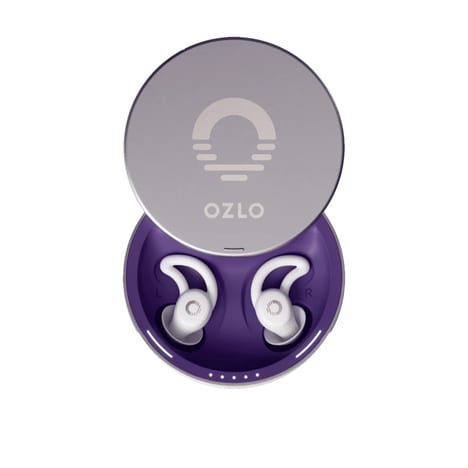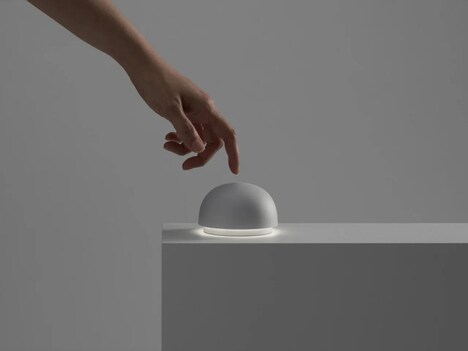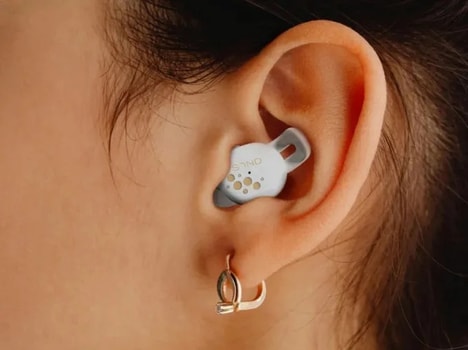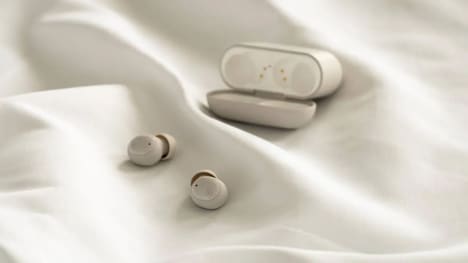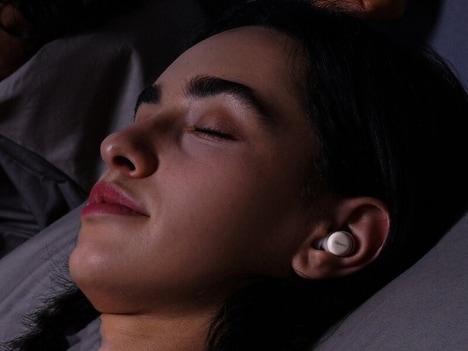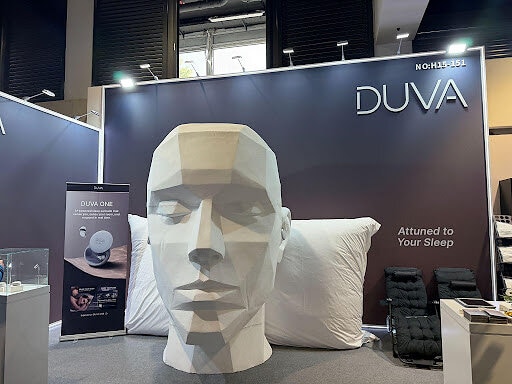
DUVA ONE is advancing adaptive sleep earbuds by responding to users and their surroundings while sleep is still happening. The in-ear system combines PPG and motion sensors with a charging case that monitors noise, light, temperature and humidity. Its AI Agent interprets these signals to adjust sleep audio, sound masking and active noise cancellation throughout the night. The earbuds can also track sleep stages, heart rate, HRV, movement and sleep position, while a private offline alarm wakes only the wearer.
For DUVA, combining sleep tracking with real-time responses creates a point of differentiation from wearables that primarily provide insights after waking. The system can appeal to consumers seeking both sleep monitoring and active nighttime support in one device. Its $349.99 target price also positions DUVA ONE as a premium wellness product, while personalized software experiences could support continued engagement beyond the initial hardware purchase.
Image Credit: DUVA ONE
What's Driving This Trend
- Adaptive Sleep Tech
- Real-time biometric and environmental sensing is reshaping sleep products into responsive systems that personalize comfort, masking and recovery support overnight.
- Private Wellness Audio
- In-ear wellness devices are expanding beyond entertainment into discreet health support, creating premium opportunities around personalized sound, alarms and relaxation routines.
- Offline AI Personalization
- On-device intelligence enables sensitive health data to remain private while still delivering individualized experiences without constant cloud connectivity.
Who This Affects Most
- Consumer Electronics
- Premium connected devices are moving toward multifunctional wellness platforms that blend sensors, AI and subscription-ready personalization into everyday hardware.
- Sleep Health
- The category is shifting from passive tracking to active intervention, opening space for products that improve rest conditions while sleep is occurring.
- Digital Wellness
- Personalized software layers tied to physical devices can extend engagement, recurring value and differentiation in competitive health-focused markets.