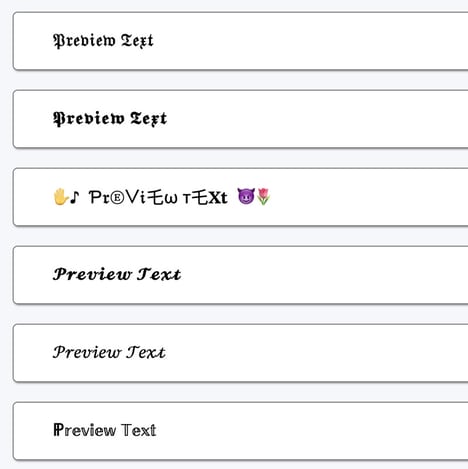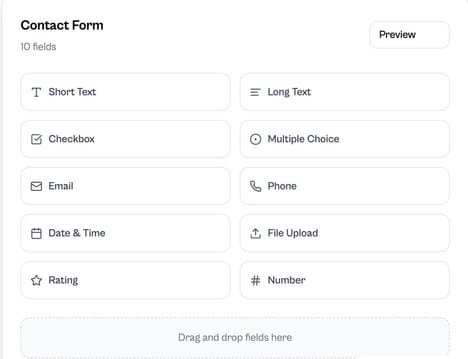
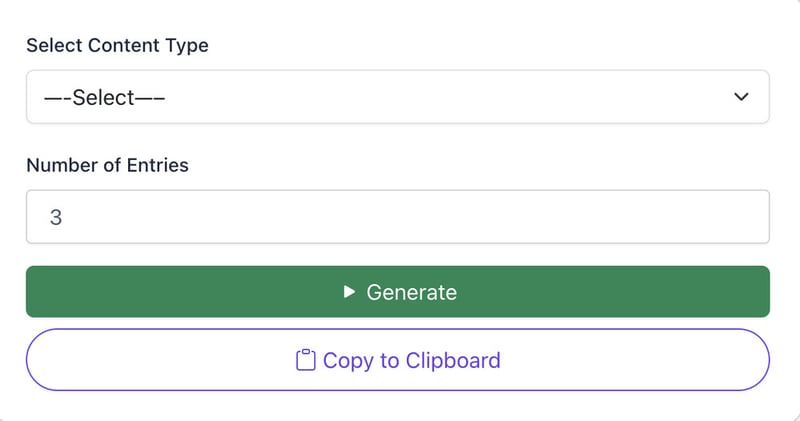
Dummy Content Generator is a web-based utility designed to produce placeholder data for development, design, and testing purposes. It enables users to generate a variety of synthetic content types, including lorem ipsum text, mock user profiles, sample product listings, and example blog entries.
The tool is intended to support workflows where realistic but non-sensitive data is required, such as UI prototyping, software testing, and design layout validation. By automating the creation of structured dummy data, it reduces the need for manual content preparation and helps streamline iterative development processes. It is typically used by developers, designers, and quality assurance teams who require consistent test data sets. The platform reflects a broader category of utility tools focused on improving efficiency in digital product development by simplifying the provisioning of temporary or simulated content.
Image Credit: Dummy Content Generator
What Makes This Trend Stand Out
- Synthetic Data Standardization
- A growing preference for standardized synthetic datasets creates possibilities for platforms that ensure interoperability and consistent schema validation across development tools.
- Automated UX Prototyping
- Increasing reliance on auto-generated placeholder content is enabling rapid prototyping workflows that can compress design cycles and inform early user interactions with realistic interfaces.
- Privacy-preserving Test Data
- Heightened privacy regulations are driving demand for realistic but non-identifiable test data, opening room for solutions that guarantee compliance while preserving dataset utility.
Sectors Adopting This
- Software Development
- Dev teams can leverage scalable dummy content services to reduce manual test setup and accelerate continuous integration pipelines with predictable data fixtures.
- Ux Ui Design
- Design practitioners gain value from rich placeholder content that reflects varied real-world scenarios, supporting layout decisions and accessibility assessments earlier in the process.
- Quality Assurance and Testing
- Testing units benefit from automated generation of edge-case and large-scale datasets that enable more thorough regression and performance testing without risking sensitive production data.