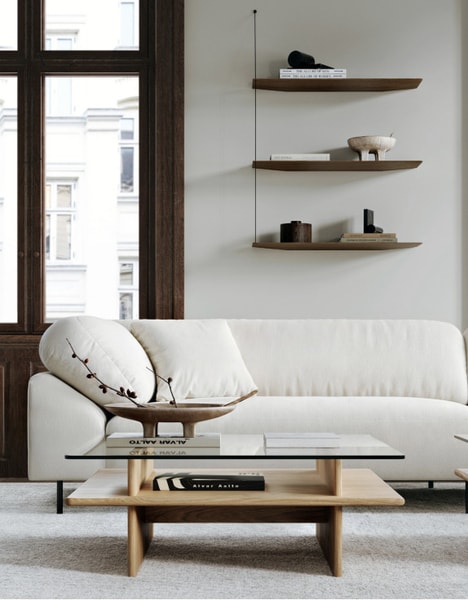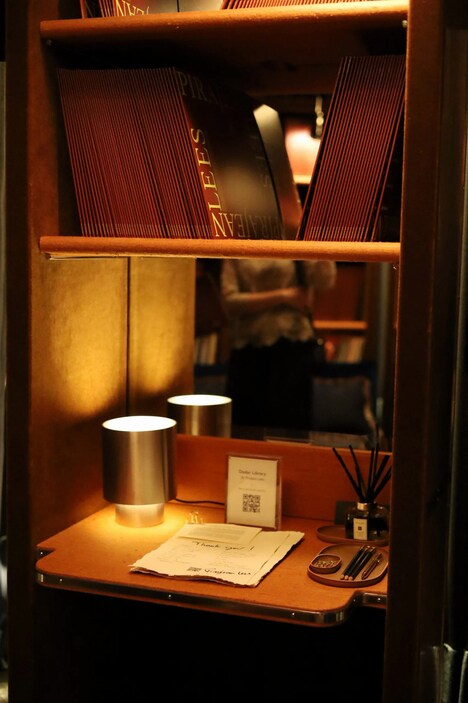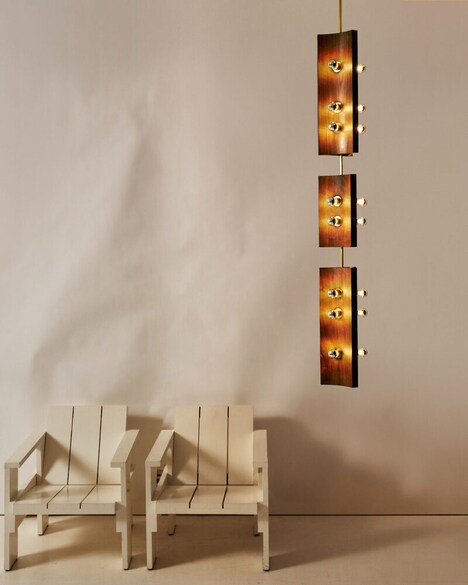
De Stul is a furniture brand from Oakland that launched a collection of pieces produced via 3D wood printing, featuring pieces that blur art and home decor. Designed by Vasily Aleev, the line includes both small interiors and large-scale items with visible printed layers as an aesthetic element.
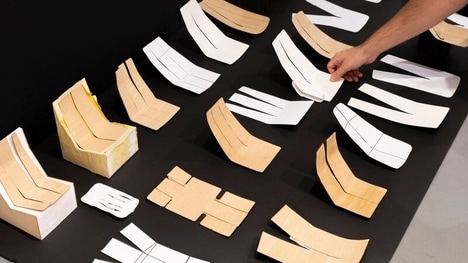
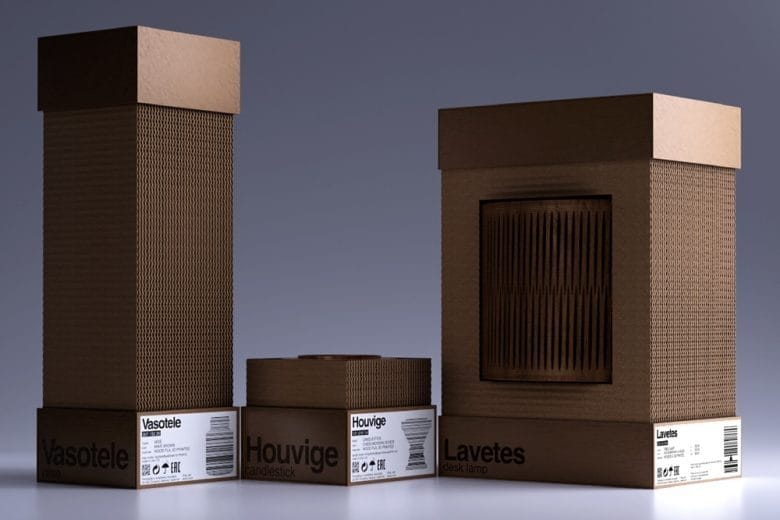
Packaging echoes the layered print texture, using corrugated cardboard with a cutout window and hardboard covers, and a unified labeling system that places product names and details on the bottom cover. The range spans vases, candlesticks, table lamps, chairs, tables and chandeliers, plus a dedicated furniture-care kit.
For consumers, the approach delivers one-of-a-kind tactile surfaces and memorable unboxing while addressing storage and transport needs; it signals a broader move toward additive manufacturing as a route to artisanal, customizable home goods.
Image Credit: Vasily Aleev
Key Themes Behind This Trend
- Additive-artisanal Fusion
- A convergence of 3D printing and traditional craftsmanship producing one-of-a-kind tactile surfaces and limited-run designs that challenge mass-produced home goods.
- Layered-aesthetic as Manufacturing Signature
- Visible print strata used deliberately as an aesthetic language that reframes manufacturing marks as premium design features rather than flaws.
- Experience-focused Unboxing and Packaging
- Packaging that mirrors product texture and structure to create memorable reveal moments while simultaneously addressing protection and transport constraints.
Where This Applies
- Furniture and Home Decor
- Localized, on-demand wood-based additive production enabling hyper-customization and shorter supply chains that upend traditional retail inventory models.
- Packaging and Retail Logistics
- Integrated packaging solutions that double as branding and structural protection, prompting new logistics approaches for fragile, artisanal goods.
- Materials and Bio-composites
- Development of novel wood-derived feedstocks and composite formulations to balance aesthetic grain, mechanical performance, and sustainability in printed objects.