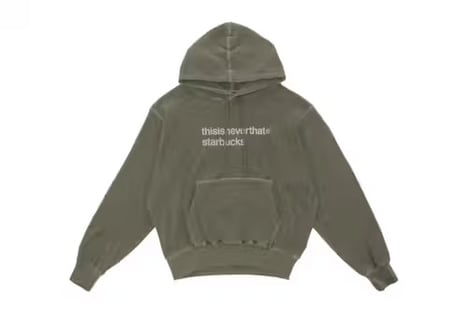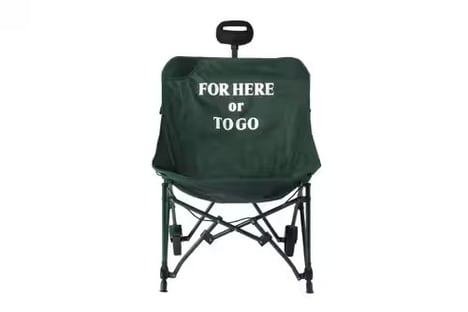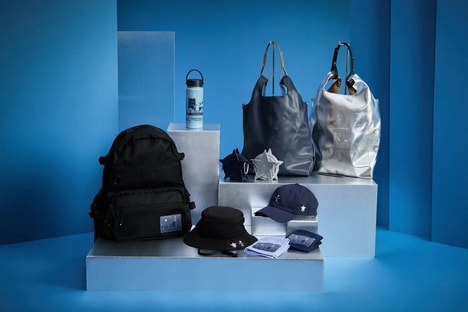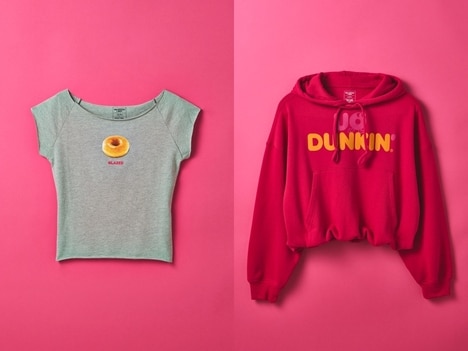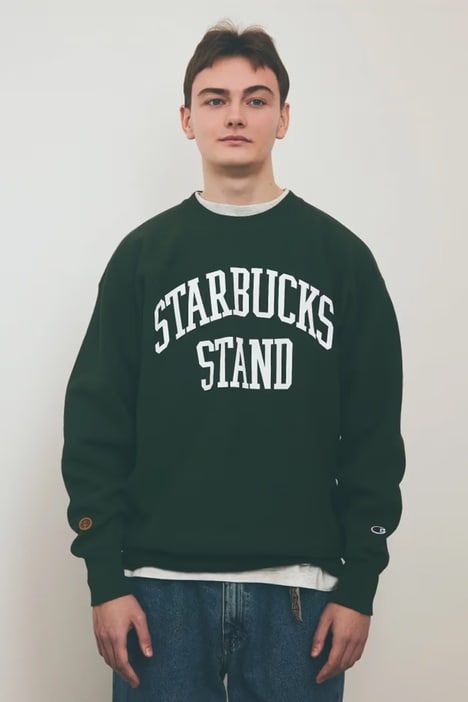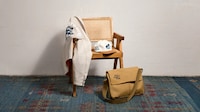
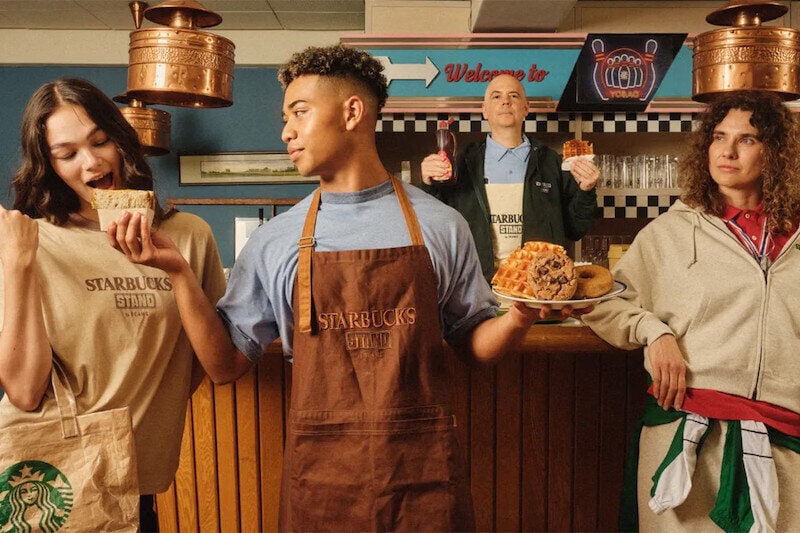
Starbucks Japan and BEAMS returned with the second STARBUCKS STAND CORE Collection, arriving September 18, featuring a coffee-treated approach to everyday clothing. The lineup centers on gender-neutral basics and includes a black denim jacket, ringer T-shirts, heavy sweats, an Oxford shirt, wide chinos, bottles, bags, socks and bandanas.
The black denim jacket is made from 12.5-ounce Japanese denim processed in Okayama using dye created from discarded coffee grounds; the denim is faded and then treated so the coffee pigment settles into pre-distressed areas. Ringer tees come in heather blue and heather beige, hoodies and sweats in oatmeal, green and brown, the Oxford in sax blue, and chinos in beige, brown and olive.
The collection treats coffee as context rather than costume, letting materiality and muted palettes make the connection while encouraging repeated wear. Its continuity across CORE, SEASONAL and EXTRA categories points to a sustained lifestyle project rather than a one-off co-branding moment.
Image Credit: Starbucks Japan
What's Driving This Trend
- Coffee-waste Textiles
- Discarded coffee grounds gain value as natural dye inputs for apparel, creating room for circular materials that connect sustainability with recognizable consumer rituals.
- Gender-neutral Basics
- Everyday silhouettes in muted palettes reflect growing demand for inclusive wardrobe staples with broad sizing, styling and repeat-wear appeal.
- Lifestyle Co-branding
- Brand partnerships are evolving into sustained product systems where familiar food and beverage identities extend into apparel, accessories and daily-use goods.
Who This Affects Most
- Sustainable Fashion
- Coffee-treated denim and basics highlight how waste-based coloration can differentiate clothing while reducing reliance on conventional dye narratives.
- Specialty Coffee
- Coffee brands can expand cultural relevance beyond beverages by translating sourcing, aroma and material associations into lifestyle merchandise.
- Retail Collaborations
- Long-term capsule structures across core and seasonal categories suggest new merchandising models that build loyalty through recurring cross-category drops.