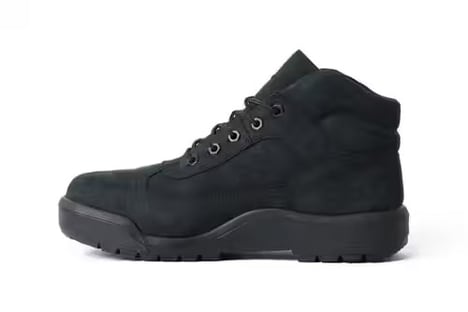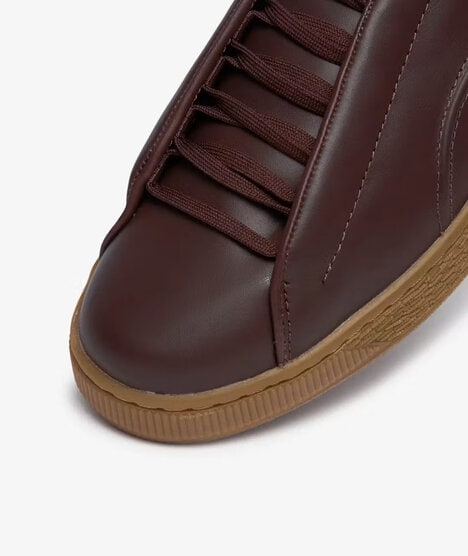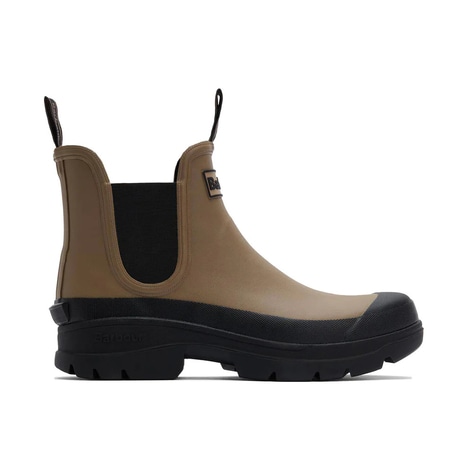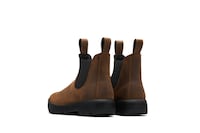
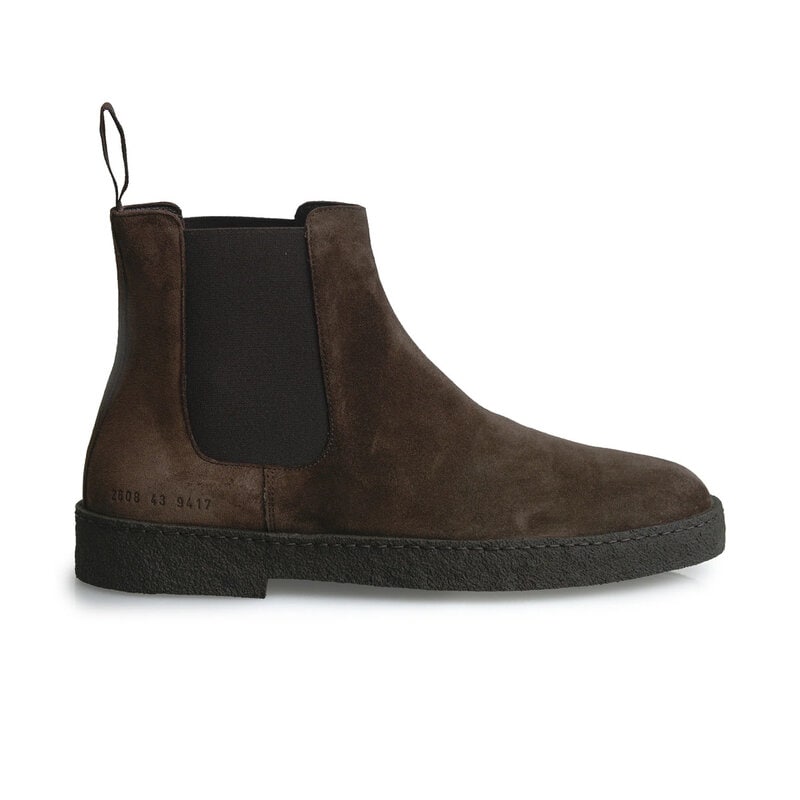
Common Projects’ Suede Chelsea Boot is an Italian-made slip-on style featuring the label’s signature 10-digit gold serial number at the heel. The design pairs a suede upper with a round toe, elasticized side gores, and a back pull tab, so you can wear the boot without laces or buckles.
The interior uses a leather lining and leather insole, while a rubber outsole completes the construction. Available colors include Tan, Dark Brown and Off Black. Branding is limited to the small gold heel stamp, maintaining the unmarked appearance associated with Common Projects footwear. The brand has produced its shoes in Italy for more than 20 years.
For consumers, the boot offers a pared-back silhouette suited to smart-casual wardrobes. Its restrained design reflects the broader quiet-luxury trend, in which materials and recognizable details replace prominent logos.
For Common Projects, the serial-number stamp functions as a consistent brand code that maintains product recognition while supporting its minimalist premium positioning.
Image Credit: Uncrate
Key Themes Behind This Trend
- Quiet Luxury Footwear
- Understated materials, subtle identifiers, and premium construction create room for brands to differentiate through recognizable restraint rather than overt logos.
- Minimalist Brand Codes
- Small, consistent design signatures such as serial stamps can turn discreet product details into high-value recognition systems for premium labels.
- Smart-casual Staples
- Versatile silhouettes that bridge formal and casual wardrobes reflect demand for refined products suited to flexible work and lifestyle settings.
Where This Applies
- Luxury Footwear
- Premium bootmakers are positioned to expand value through craftsmanship, material quality, and low-visibility branding that appeals to logo-averse consumers.
- Menswear
- Evolving smart-casual dressing patterns are reshaping demand for polished essentials that pair easily with both tailored and relaxed wardrobes.
- Leather Goods
- Heritage materials and Italian-made construction provide differentiation potential as consumers associate durability and tactility with elevated everyday products.