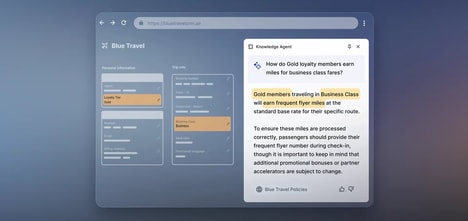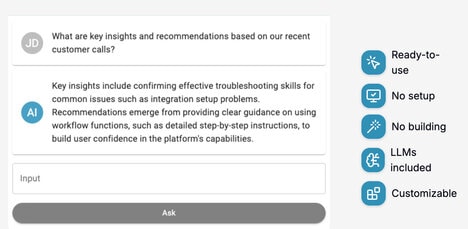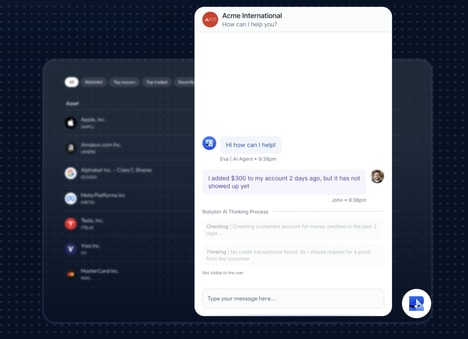

Stonly is extending customer service automation with SOP-guided AI agents that can complete complex support processes using the same procedures as human teams. Its new Business Process Agents follow Stonly Guides containing decision logic, required checks, customer information, policies and actions. Rather than simply generating answers, the agents can gather information, make rule-based decisions, interact with connected systems and continue until an issue is resolved or human judgment is needed.
Using a shared process for employees and AI could make customer service automation easier to manage at scale. Companies can update a single Guide when procedures change instead of maintaining separate documentation, prompts and workflows for automated systems. This approach can reduce duplicated configuration work while expanding automation into troubleshooting, eligibility, account changes and other multi-step cases. Stonly can consequently position its platform as infrastructure for organizations seeking more reliable collaboration between human support teams and autonomous agents.
Image Credit: Stonly, Inc.
What's Driving This Trend
- Process-guided Agents
- AI agents grounded in approved operating procedures create opportunities for more auditable automation across complex service, compliance and administrative workflows.
- Unified Human-AI Workflows
- Shared procedural systems for employees and autonomous agents enable organizations to reduce process fragmentation while scaling consistent customer support execution.
- Rule-based Service Automation
- Automation that combines decision logic, customer data and system actions signals growth potential in resolving multi-step cases beyond simple chatbot responses.
Who This Affects Most
- Customer Service
- Support organizations can benefit from AI that follows documented procedures to handle troubleshooting, eligibility checks and account changes with greater consistency.
- Enterprise Software
- Workflow platforms are positioned to evolve into operational infrastructure for managing shared processes across human teams and autonomous AI systems.
- Business Process Management
- Process management providers gain relevance as companies seek centralized guides that govern both employee actions and automated decision-making.