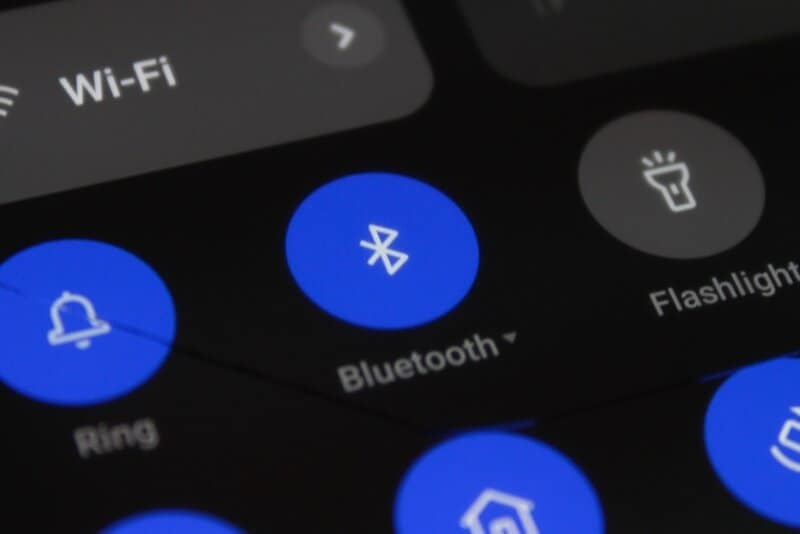
High-speed Bluetooth connectivity is advancing with the adoption of Bluetooth High Data Throughput (HDT), a new capability within Bluetooth Core 7.0. Developed by the Bluetooth Special Interest Group, the technology increases maximum transfer speeds to 7.5 Mbps, nearly quadrupling the previous Bluetooth Low Energy limit while improving wireless efficiency and reliability.
Bluetooth HDT introduces a new physical layer, which determines how devices transmit information wirelessly, allowing larger amounts of data to move through connections more efficiently. Its improved performance could support faster device synchronization, reduced transmission-related energy consumption, and more responsive connected experiences. Standardized premium wireless audio is expected to become its first major application in 2027.
For manufacturers, these capabilities create opportunities to develop advanced audio products, AI-enabled wearables, and immersive devices. Industrial technology providers could also benefit from more dependable wireless communication for monitoring and automated operations.
Image Credit: Thrive Studios ID / Shutterstock.com
Why This Trend Is Growing
- High-throughput Bluetooth
- Faster short-range wireless transfer creates room for richer device experiences, quicker synchronization, and more capable connected products without relying on Wi-Fi-class connectivity.
- Premium Wireless Audio
- Standardized higher-bandwidth Bluetooth audio enables improved fidelity, lower latency, and more consistent performance across next-generation headphones, speakers, and entertainment devices.
- AI-enabled Wearables
- Expanded Bluetooth capacity supports wearables that exchange more sensor data efficiently, making always-on health, fitness, and contextual AI features more practical.
Industries Being Reshaped
- Consumer Electronics
- Device makers gain a pathway to differentiate smartphones, accessories, and smart home products through faster pairing, improved responsiveness, and energy-conscious wireless performance.
- Audio Technology
- Higher data throughput reshapes wireless audio hardware by supporting premium listening experiences that are more standardized and less dependent on proprietary transmission methods.
- Industrial Automation
- More reliable Bluetooth communication strengthens monitoring, diagnostics, and machine-to-machine connectivity in environments where low-power wireless systems support automated operations.