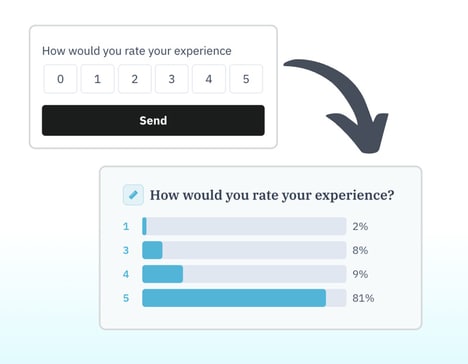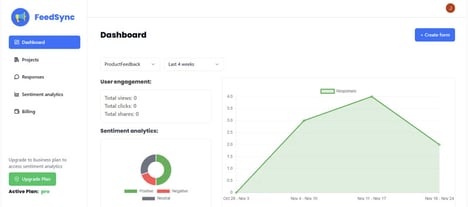

Analysing customer feedback can be a time-consuming process when researchers need to work through large volumes of survey responses, reviews, and other open-ended comments manually. Blix is a customer feedback analysis platform designed to speed up this process by turning unstructured textual feedback into numbers, dashboards, and insights. The tool is aimed at researchers who need detailed analysis of what customers are saying but want to spend less time manually sorting, categorising, and interpreting responses.
By transforming written feedback into structured data, Blix can make it easier to identify patterns and understand recurring themes across a larger collection of responses. Its dashboards provide a more visual way to explore the resulting information, helping researchers move from raw comments to clearer findings more quickly. Blix is designed to handle the repetitive parts of analysing textual feedback while allowing researchers to focus more on interpreting the results and drawing useful conclusions. The platform offers a faster approach to working with qualitative feedback without requiring teams to manually process every response.
Image Credit: Blix
Key Themes Behind This Trend
- Automated Feedback Intelligence
- AI-powered analysis of open-ended comments creates new whitespace for platforms that convert qualitative customer sentiment into structured metrics and decision-ready insights.
- Research Workflow Automation
- The reduction of manual coding and categorization signals potential for tools that streamline repetitive research tasks while preserving human interpretation for higher-value analysis.
- Insight Dashboarding
- Visual interfaces that surface recurring themes from large feedback sets point to emerging demand for more accessible, real-time customer understanding across teams.
Where This Applies
- Market Research
- Text analytics platforms are reshaping how research teams process surveys, reviews, and interviews by compressing analysis timelines and expanding study scale.
- Customer Experience
- Always-on feedback interpretation enables brands to detect friction points and sentiment shifts faster, creating opportunities for more responsive experience management systems.
- Business Intelligence
- Unstructured feedback becoming quantifiable data extends analytics beyond traditional performance metrics, opening room for BI solutions that integrate voice-of-customer signals.