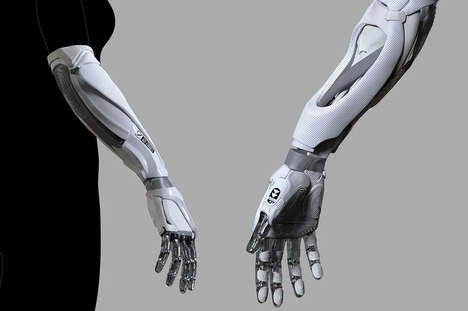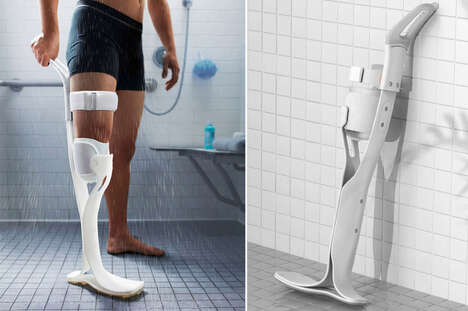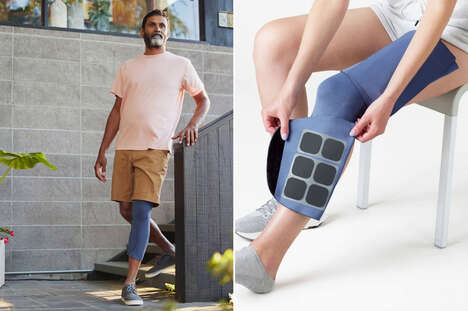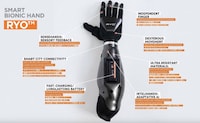


Recent advances in electric motor, sensor and battery technology have culminated to create the bionic leg, a prosthetic limb that perfectly mimics the original stride of its wearer.
Sensors detect what actions the amputee is trying to execute and microprocessors adjust the direction, weight distribution and motor action of the prosthesis, resulting in a truly natural gait. Vanderbilt University is responsible for this cyborg innovation and designed the nine-pound bionic leg with the intention of putting the zombie-like, dragging stride of traditional prosthetics into the history books—looks like they succeeded!
Professor Michael Goldfarb of Vanderbilt explains that the bionic leg can work for three days without a charge and required almost 40% less energy input from the controller. With prosthetic inventions like this cropping up everyday, we’re inching closer and closer to fusing man and machine.
What's Driving This Trend
- Bionic Limbs
- The development of bionic limbs that mimic natural movement opens up opportunities for enhanced mobility and functionality for amputees.
- Sensor Technology
- Advances in sensor technology allow for more accurate detection and interpretation of user actions, enabling precise control of prosthetic limbs.
- Energy Efficiency
- Improvements in battery technology and energy efficiency make it possible for prosthetic limbs to operate for longer periods of time without requiring frequent charging.
Who This Affects Most
- Healthcare
- The healthcare industry can integrate bionic limbs into their services, providing improved mobility and quality of life for amputees.
- Robotics
- The robotics industry can leverage sensor technology and motor action control to develop more advanced prosthetic limbs and exoskeletons.
- Electronics
- The electronics industry can contribute to the development of energy-efficient batteries and microprocessors for prosthetic limbs, enhancing their performance and lifespan.