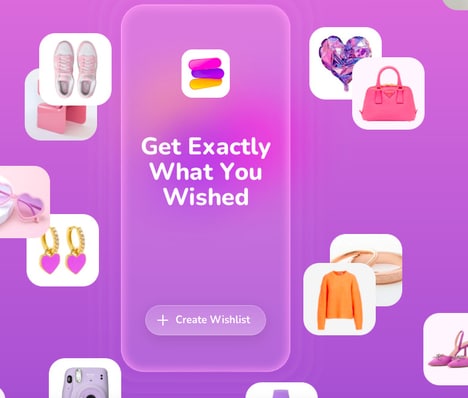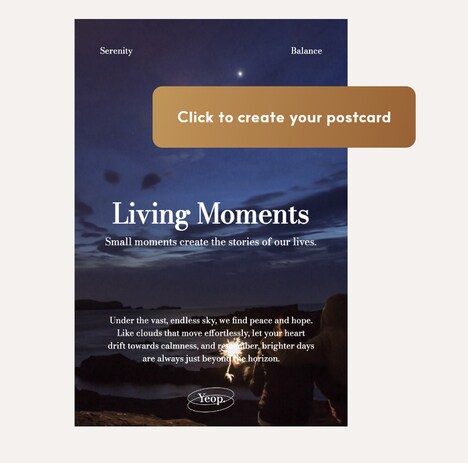
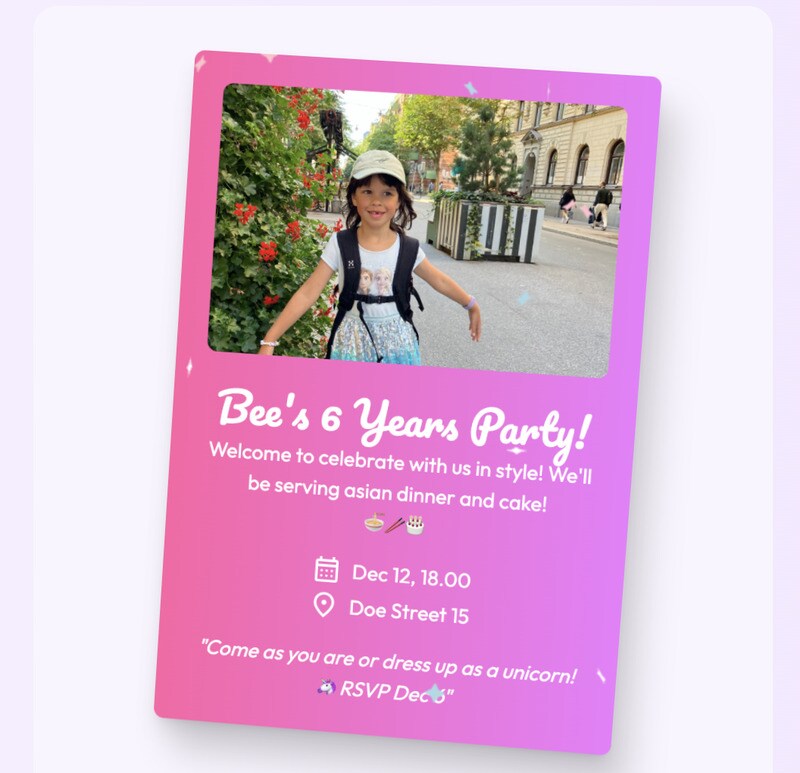
BigLittle is a digital platform designed to make creating and sharing children’s birthday invitations fast and effortless. Accessible via mobile or desktop, the tool allows users to design visually appealing, easy-to-read invitations in minutes. Each invitation includes all the essential event details in a clean, mobile-friendly format, ensuring recipients can access information quickly and conveniently.
From a business perspective, BigLittle taps into the growing demand for intuitive, design-driven tools that simplify event planning for busy parents. By emphasizing accessibility and aesthetics, it aligns with consumer expectations for streamlined, shareable digital solutions. The platform demonstrates how user-friendly design and functionality can intersect to create efficient communication tools in the personal events space, particularly as digital invitations continue to replace traditional print formats.
Image Credit: BigLittle
What's Driving This Trend
- User-friendly Digital Tools
- The rise of intuitive platforms like BigLittle highlights a shift towards user-focused design in digital services, responding to consumers' need for simplicity and efficiency.
- Mobile-first Solutions
- With an emphasis on mobile accessibility, digital invitation platforms are prioritizing mobile-first experiences to accommodate on-the-go users.
- Visual Aesthetic Emphasis
- Digital invitation tools that incorporate appealing design elements are catering to a growing market that values visual aesthetics as a key component of digital communications.
Who This Affects Most
- Event Planning Technology
- Innovative platforms like BigLittle are driving advancements in event planning technology by offering streamlined, digital-first solutions that cater to modern consumer preferences.
- Digital Communication Tools
- The evolution of digital invitations showcases opportunities within digital communication tools, where convenience and design seamlessly enhance user experience.
- Design Software Development
- As demand grows for visually compelling digital content, the design software development industry is increasingly focused on creating adaptable tools for non-designers.