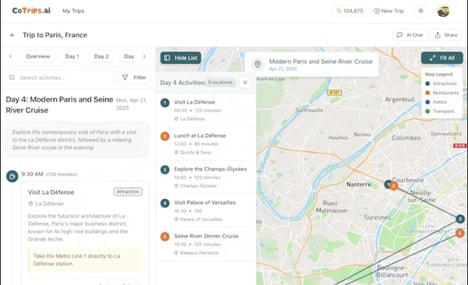

Mindtrip is giving its Personal Travel Assistant the ability to carry traveller preferences from one trip to the next, creating a more personalised starting point for future planning. The assistant learns patterns such as where someone tends to save or spend, then uses that context to shape flight, hotel and itinerary suggestions.
More than 18,000 travellers used the assistant during its beta period, while recent Mindtrip users who set it up were three times more likely to create a trip. Behind the scenes, background agents can continue working between planning sessions, including monitoring hotel prices and checking alternative travel dates for flight options.
The approach moves AI travel planning beyond simply generating a one-off itinerary. By retaining preferences and continuing to monitor travel options, Mindtrip is building a planning experience that can become more tailored over time rather than treating every new trip as a completely separate search.
Image Credit: MindTrip
Key Themes Behind This Trend
- Persistent Travel Profiles
- Stored preference histories make trip planning progressively more relevant, creating room for platforms that refine recommendations across flights, hotels, budgets and activities over time.
- Autonomous Price Monitoring
- Background agents that track hotel rates and flight alternatives introduce always-on planning models that can reduce manual comparison and reshape how travellers discover value.
- Adaptive Itinerary Intelligence
- AI systems that learn spending patterns and activity preferences enable more contextual itinerary design, opening space for travel tools that feel personalized before a user begins searching.
Where This Applies
- Travel Technology
- Preference-aware assistants are pushing travel platforms toward continuous personalization, expanding opportunities for differentiated booking experiences and higher trip conversion.
- Hospitality
- Hotels can benefit from AI-driven matching that surfaces properties based on evolving traveller habits, creating new competitive dynamics around personalized discovery and pricing relevance.
- Airlines
- Flight providers are positioned within a planning ecosystem where learned flexibility, budget tolerance and timing preferences can influence route recommendations and fare visibility.