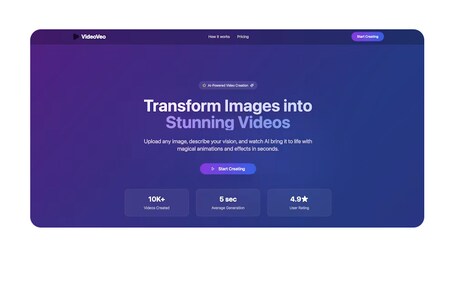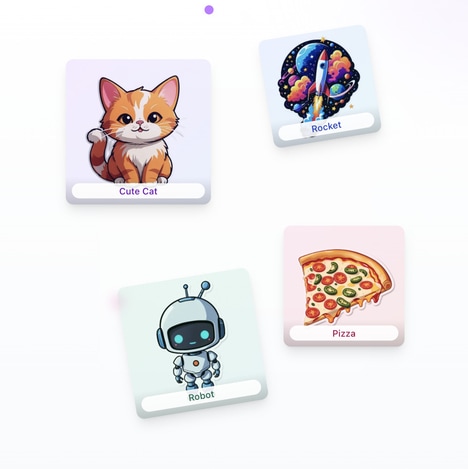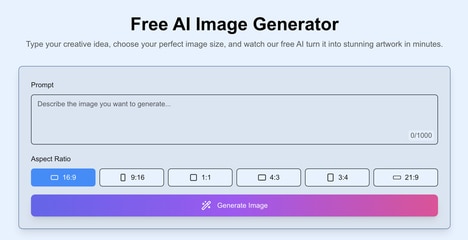

Creating game assets like sprite animations usually requires time, design skills, and specialized software, but AI Spritesheet Maker simplifies this process by generating animated sprites from simple text prompts in just a few seconds.
Users can describe a character or animation in a few words, and the AI produces a ready-to-use spritesheet that can be exported directly into apps or game projects. This makes it easy for developers and creators to prototype and build visual assets quickly.
The platform is designed for fast iteration, allowing users to experiment with different ideas and styles before committing to final assets. New users receive free generations to test the system and explore creative possibilities. Additional credits or subscriptions are available for continued use, making it scalable for both hobbyists and professional developers.
Image Credit: AI Spritesheet Maker
What Makes This Trend Stand Out
- Prompt-based Asset Creation
- Text-to-asset workflows lower the skill barrier for game visuals, creating room for faster prototyping platforms that serve solo developers, studios, and nontechnical creators.
- AI-generated Sprite Animation
- Automated spritesheet generation compresses production timelines for 2D characters and effects, opening space for tools that combine animation quality, style control, and export-ready formats.
- Rapid Game Prototyping
- Instant visual asset iteration supports more experimental game design cycles, with emerging services positioned around early-stage concept testing and low-cost creative validation.
Sectors Adopting This
- Game Development
- Small studios and independent developers gain access to scalable visual production systems that reduce dependency on specialized art pipelines.
- Creative Software
- Design platforms are shifting toward AI-assisted generation features that blend prompt input, editing controls, and direct integration with production tools.
- Digital Entertainment
- Interactive media companies benefit from faster character and animation creation as AI tools expand the volume and variety of content that can be produced economically.