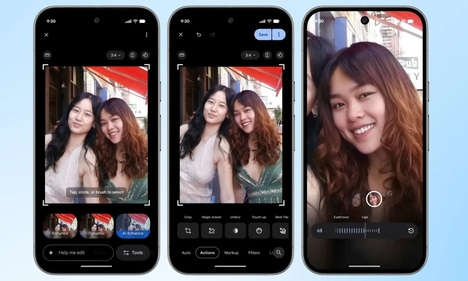
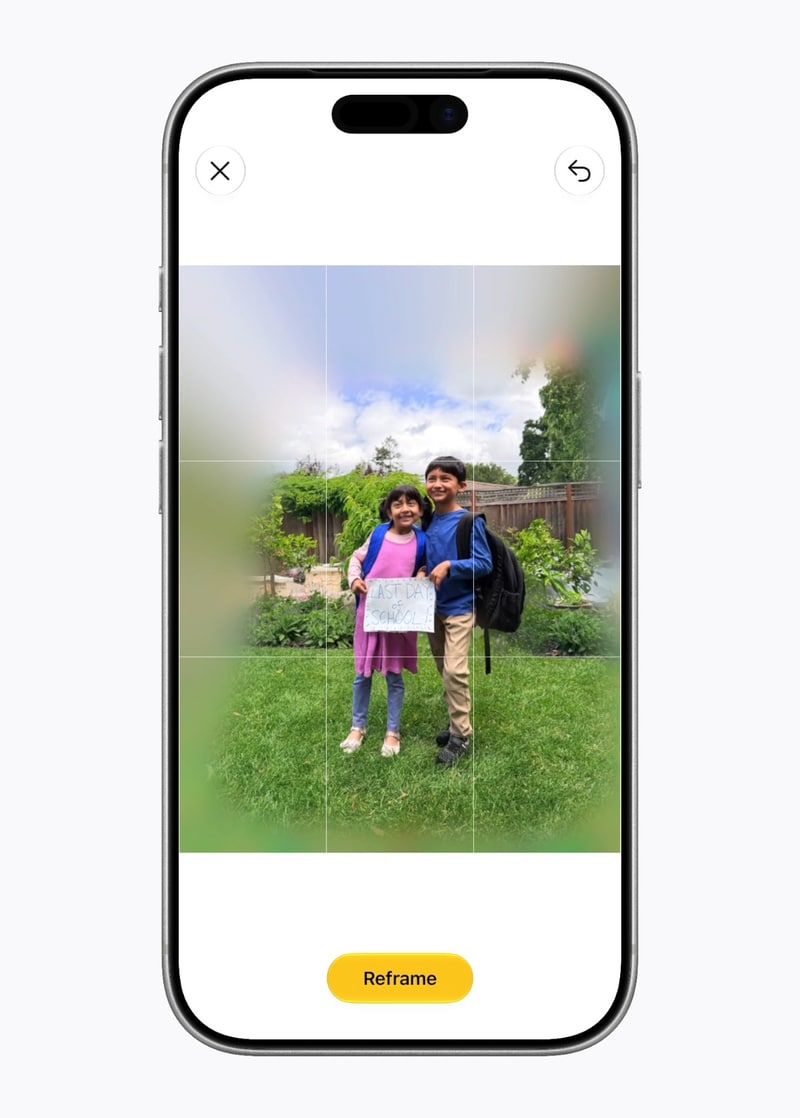
AI-powered photo reframing is transforming mobile photography by allowing users to refine image composition after a photo has already been captured. Apple's new Photos features, including Spatial Reframing, Extend, and an upgraded Clean Up tool, use advanced image models to adjust perspectives, expand image boundaries, and remove unwanted distractions. Rather than relying solely on perfect timing and framing during capture, users can modify photos afterward while preserving the overall look and context of the original scene. Apple also includes hidden SynthID watermarks on AI-edited images to improve transparency around generated content.
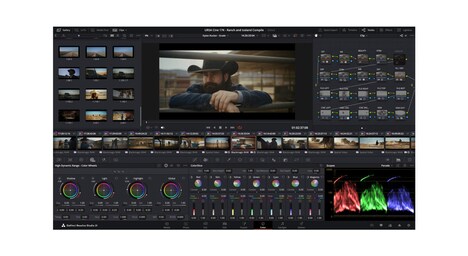
As generative editing tools become more widely available, expectations for mobile photography are shifting from capture-focused experiences to post-capture creativity. For technology companies, these capabilities create opportunities to differentiate camera ecosystems and increase engagement within photo platforms. The growing adoption of AI-assisted editing may also influence content creation workflows, making advanced image enhancement accessible to a broader range of users without specialized design skills.
Image Credit: Apple
Why This Trend Is Growing
- Post-capture Creativity
- Mobile photography is shifting toward flexible editing ecosystems where composition, framing, and visual polish can be refined after the image is taken.
- Generative Image Expansion
- AI tools that extend photo boundaries and reconstruct missing context create new possibilities for seamless visual storytelling across consumer and creator platforms.
- Transparent AI Editing
- Embedded watermarking and provenance signals are becoming differentiators as users, brands, and platforms seek clearer trust markers for generated or modified media.
Industries Being Reshaped
- Mobile Photography
- Smartphone camera systems are evolving into AI-assisted creative suites that reduce dependence on perfect capture conditions and expand everyday image-making capabilities.
- Consumer Software
- Photo apps and operating systems can deepen user engagement by integrating advanced editing features that once required professional design tools.
- Digital Content Creation
- Creator workflows are becoming more accessible as automated reframing, cleanup, and expansion features lower the technical barriers to producing polished visual assets.