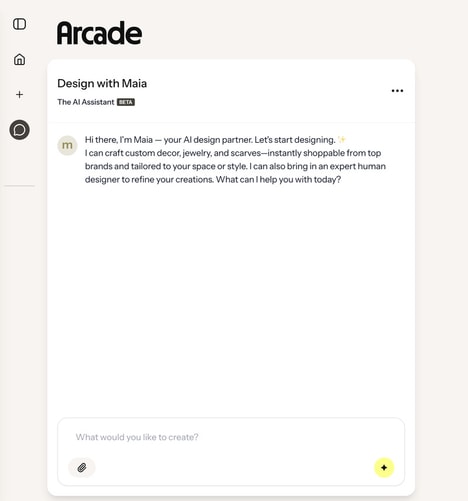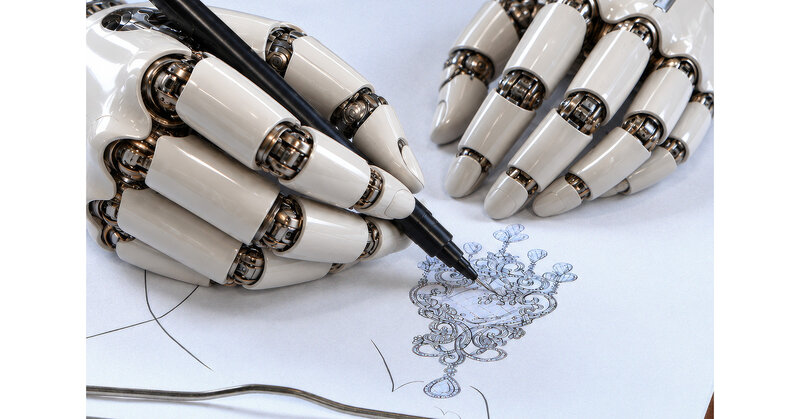
Olertis is introducing AI-powered jewelry design tools that allow customers to visualize personalized accessories before committing to production. Its free online studio transforms written descriptions into photorealistic jewelry concepts, making custom design accessible to users without artistic or technical experience.
Customers can also upload images of existing jewelry to experiment with alternative gemstones, settings, and decorative details. The platform supports comparisons between different concepts, helping users refine their preferences. Once satisfied, customers can submit their designs for a complimentary consultation and production estimate. Olertis creates custom pieces using solid gold or platinum, with prices starting at $1,800.
For Olertis, the platform creates opportunities to connect early design exploration with professional jewelry commissions. Allowing customers to develop ideas independently could simplify consultations, while a temporary 10% discount encourages users to turn their preferred concepts into finished pieces.
Image Credit: Olertis, LLC
Key Themes Behind This Trend
- Generative Customization
- AI interfaces that translate consumer prompts into premium product visuals are reshaping personalization by reducing the skill gap between inspiration and purchasable design.
- Visual Commerce Studios
- Photorealistic configurators embedded into luxury retail experiences create new value by turning browsing into a collaborative pre-purchase design process.
- AI-assisted Luxury Consultations
- Customer-generated concepts can streamline expert consultations by giving brands clearer preference data before production planning begins.
Where This Applies
- Jewelry
- Custom jewelers gain access to scalable personalization models that blend digital experimentation with high-value handcrafted production.
- Luxury Retail
- Premium brands can differentiate online experiences through interactive visualization tools that make bespoke purchasing feel more accessible and immersive.
- E-commerce
- Online storefronts benefit from AI-powered product ideation systems that convert early-stage curiosity into more qualified purchase intent.