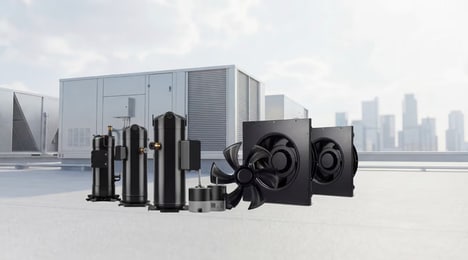
AI-powered HVAC systems are becoming more accessible to smaller commercial properties as Carrier introduces its ClimaVision 3-MyStat Pro Pack. The solution combines rooftop heating and cooling equipment with connected controls, cloud technology, and artificial intelligence, allowing building operators to manage indoor comfort and energy consumption through an integrated system.
Incorporating technology from Carrier's recent 75F acquisition, the package is designed for schools, offices, and retail locations that may lack advanced building automation. By combining equipment and controls, the system simplifies installation for contractors while supporting more efficient building operations. Orders are expected to begin in 2026, with shipments planned for early 2027.
For Carrier, the launch could expand its reach among smaller commercial customers seeking smarter climate management. Contractors may benefit from simpler installations, while building owners gain opportunities to improve operational efficiency and manage energy expenses.
What's Driving This Trend
- AI-driven Building Controls
- Cloud-connected control platforms are making advanced automation more attainable for smaller facilities, creating new value around predictive comfort, energy optimization, and simplified building management.
- Packaged Smart HVAC
- Integrated equipment-and-software bundles are reducing deployment complexity for contractors while opening pathways for scalable climate systems in underserved commercial properties.
- Small-property Energy Intelligence
- AI-enabled monitoring for schools, offices, and retail sites is expanding access to data-rich efficiency tools previously concentrated in large enterprise buildings.
Who This Affects Most
- Commercial HVAC
- Manufacturers can differentiate through connected rooftop systems that combine hardware, controls, and analytics into accessible solutions for smaller commercial customers.
- Building Automation
- The shift toward simplified AI platforms broadens the market beyond large facilities, supporting more modular and contractor-friendly automation models.
- Energy Management
- Smarter climate systems generate opportunities for continuous energy savings, demand response integration, and operational cost visibility across midmarket properties.