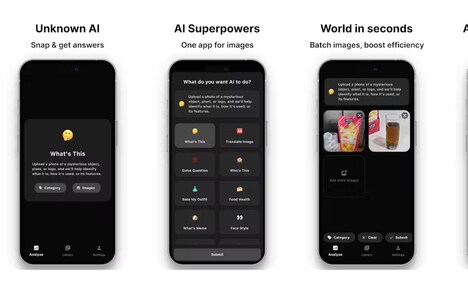

ServicePower enhanced its ServicePower Mobile with Vision AI, featuring AI-powered visual intelligence that analyzes images in real time for field technicians. The combined solution brings image analysis directly into the technician workflow and targets critical infrastructure operations such as fiber-to-the-home, AI data center connectivity, and advanced metering projects.
Vision AI evaluates photos at the point of capture and returns passing, marginal or failing results against customer-defined thresholds, even when connectivity is limited or unavailable. The analysis can attach inspection data to the related image, task and work order and feed results into work orders, scheduling and dispatch, parts and reporting.
For technicians this means immediate quality feedback on site to reduce rework, speed inspection close-out and improve consistency across crews. ServicePower cites First Time Right rates up to 99% and trouble-ticket reductions up to 50%, highlighting tangible efficiency gains for field operations.
Image Credit: ServicePower
Why This Trend Is Growing
- Offline AI Inspection
- Embedded visual analysis that functions with limited connectivity creates new potential for quality assurance in remote infrastructure environments.
- Workflow-native Computer Vision
- Real-time image evaluation inside technician apps signals a shift toward operational software that verifies work as it is completed.
- Automated Field Quality Scoring
- Customer-defined pass, marginal and fail thresholds introduce scalable consistency across distributed crews and complex service projects.
Industries Being Reshaped
- Field Service Management
- AI-assisted verification broadens the value of mobile workforce platforms by linking inspection evidence directly to tasks, dispatch and reporting.
- Telecommunications Infrastructure
- Fiber deployment and network connectivity projects benefit from faster close-outs as visual intelligence reduces repeat visits and documentation gaps.
- Utilities and Smart Metering
- Advanced metering rollouts gain more reliable installation validation when image-based inspection data is captured at the job site.