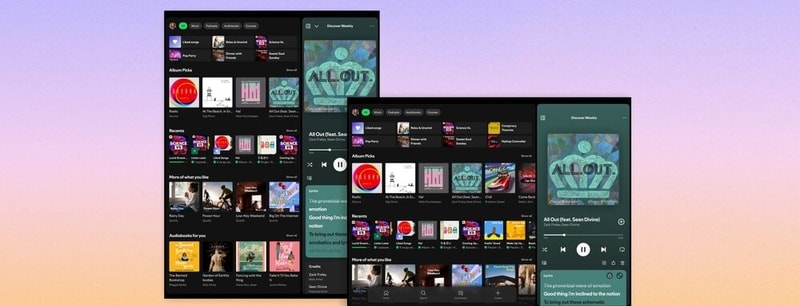
Device-optimized app experiences are reshaping how platforms engage users by tailoring interfaces to specific screen sizes and usage contexts. Spotify’s updated tablet app reflects this shift, moving beyond simple scaling to create a layout designed for larger screens, with features like adaptive orientation, parallel browsing, and a collapsible sidebar. This approach allows users to explore content and control playback simultaneously, making discovery more fluid and intuitive.
For businesses, this signals a growing need to design products with multi-device ecosystems in mind. Companies can increase user engagement and retention by ensuring their platforms feel natural and efficient across smartphones, tablets, and other screens. It also opens opportunities to enhance content discovery and extend session times through more immersive layouts. As consumers continue to switch between devices throughout the day, brands that prioritize context-aware design may gain a competitive edge in delivering seamless digital experiences.
Image Credit: Spotify
What's Driving This Trend
- Device-optimized Layouts
- Designs tailored to specific screen sizes and orientations enable dramatically different interaction models that can redefine user engagement metrics.
- Context-aware Cross-device Continuity
- Seamless transitions and preserved states across smartphones, tablets, and desktops create opportunities for persistent user journeys that reshape session value.
- Immersive Discovery Interfaces
- Parallel browsing and collapsible navigation elements foster richer exploration patterns that can increase content discovery and time-on-platform.
Who This Affects Most
- Streaming Media
- Tailored tablet and multi-screen experiences can shift consumption habits by enabling simultaneous browsing and playback, altering ad and subscription monetization models.
- E-commerce
- Adaptive layouts that surface complementary products and persistent carts across devices have the potential to change conversion funnels and average order values.
- Enterprise Software
- Context-aware interfaces for productivity apps may transform workflow continuity and collaboration by preserving complex states across different device types.