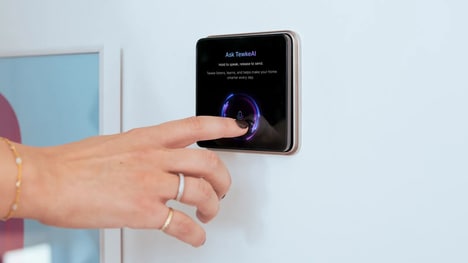
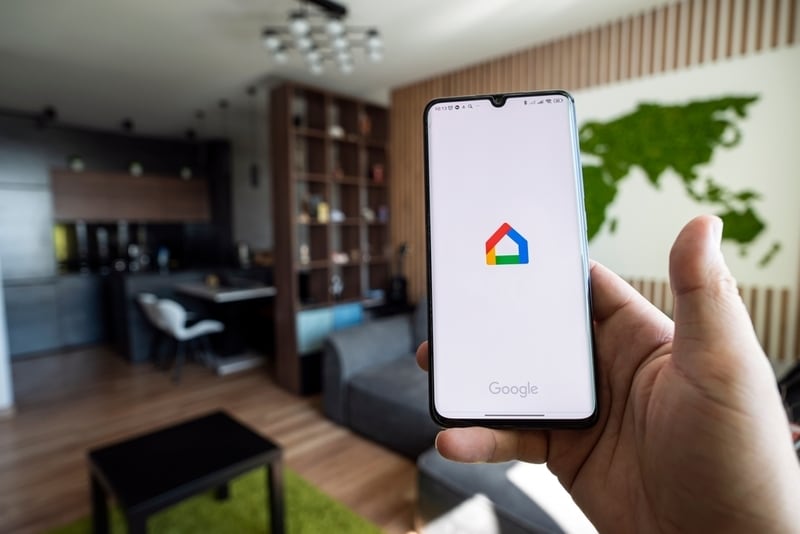
Behavior-based smart homes are redefining how consumers interact with connected living environments through adaptive automation and personalized routines. Google Home’s expanded automation capabilities allow users to create contextual triggers tied to lighting, climate, appliances, security systems, media playback, and environmental conditions. Instead of manually controlling devices, households can now automate experiences around daily habits, moods, and schedules, such as bedtime lighting cues, humidity-based fan activation, or voice-triggered cooking setups.
For businesses, this signals a growing shift toward ecosystem-driven smart home competition. Technology companies are increasingly focusing on seamless automation platforms rather than standalone hardware products. Expanded interoperability and AI-assisted routines can strengthen customer loyalty while encouraging consumers to add more connected devices into a single ecosystem. The rise of programmable home environments also creates opportunities for subscription services, predictive automation tools, and personalized lifestyle integrations that blend convenience, wellness, energy management, and entertainment into one connected experience.
Image Credit: Melnikov Dmitriy/Shutterstock
What Makes This Trend Stand Out
- Contextual Automation
- Adaptive triggers tied to routines and environmental sensors enable systems that anticipate household needs and reconfigure device behavior based on context.
- AI-assisted Personalization
- Machine learning-driven routines can sculpt individualized living experiences by learning moods, schedules, and preferences to tailor lighting, climate, and media.
- Interoperable Ecosystems
- Expanded cross-vendor compatibility and unified control layers open the door for platform-dominant offerings that bundle services and devices into cohesive homes.
Sectors Adopting This
- Home Energy Management
- Predictive automation linked to occupancy and weather patterns creates potential for systems that optimize consumption and shift loads without user intervention.
- Consumer Electronics Platforms
- Consolidation around software-led ecosystems suggests opportunities for platform owners to embed services and monetize long-term device engagement.
- Subscription-based Services
- Personalized automation and ongoing behavioral insights support recurring-revenue models offering tailored lifestyle, wellness, and maintenance services.