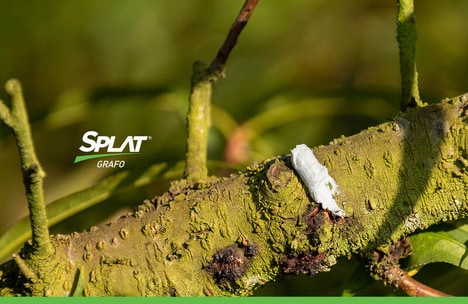
Agriodor, a French deeptech startup, is advancing crop protection through its olfactory biocontrol technology, which uses natural volatile organic compounds to influence insect behavior. By analysing scents emitted by plants and replicating them synthetically, the company creates semiochemicals such as kairomones and allomones that attract, repel or disrupt pest species. These can be applied using push-pull strategies, allowing farmers to manage pests without harming pollinators or relying on chemical pesticides.
This approach is gaining traction as agricultural producers face stricter regulations and increasing resistance to traditional insecticides. Agriodor’s product INSIOR® Gr A, developed in partnership with Syngenta, has already shown a reduction in green aphid populations in field trials. With faster development timelines and compatibility with existing machinery, these scent-based solutions offer a scalable and efficient alternative as the industry shifts toward more sustainable and targeted farming practices.
Image Credit: Agriodor
Why This Trend Is Growing
- Olfactory Biocontrol
- New scent-based repellents and attractants create pathways for non-toxic, species-specific pest management that reduce reliance on broad-spectrum insecticides.
- Synthetic Semiochemicals
- The synthetic replication of plant volatile compounds enables rapid development of tailored molecules that can modulate insect behavior with predictable efficacy and regulatory advantages.
- Push-pull Integrated Pest Management
- Combining attractant and repellent cues into push-pull systems presents scalable strategies for managing pest populations while preserving pollinators and beneficial insects.
Industries Being Reshaped
- Agriculture Technology
- Farm operations and agtech providers stand to benefit from integrating scent-delivery hardware and analytics for precision pest control and reduced chemical input.
- Pesticide and Agrochemical
- Agrochemical companies face opportunities to diversify portfolios with biologically derived semiochemicals that address regulatory pressure and insecticide resistance.
- Integrated Crop Management Services
- Advisory and field-service firms can package scent-based solutions into consultative offerings that combine application timing, deployment methods, and compatibility with existing machinery.