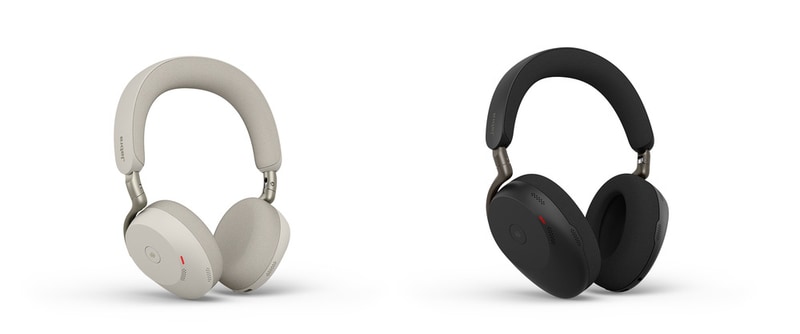
AI-ready voice headsets are emerging as Jabra introduces the Evolve3 series, designed to support voice-driven workflows across work and everyday environments. The headset integrates deep learning-powered audio processing to isolate speech clearly without a visible microphone arm, while enabling accurate voice input for tasks like dictation and AI interaction. This allows users to engage with digital tools more efficiently, especially in mobile or screen-free situations.
This development reflects the growing role of voice as a primary interface in professional settings. As hybrid work continues to evolve, companies may prioritize tools that enhance flexibility and productivity beyond traditional desk setups. Jabra’s approach also positions it competitively by aligning with enterprise needs for clarity, security and device management, while appealing to consumer expectations for comfort and design. This could encourage broader adoption of voice-enabled tools and reshape how professionals interact with technology daily.
Image Credit: Jabra
Key Themes Behind This Trend
- Voice-first Workflows
- Widespread adoption of voice as a primary interface is expected to redefine task flows in mobile and screen-free professional contexts, enabling seamless dictation and conversational AI interactions.
- AI-powered Audio Processing
- Deep learning-driven noise suppression and speech isolation are advancing audio capture fidelity to a level that supports reliable voice authentication and high-accuracy transcription in noisy environments.
- Invisible Microphone Design
- The shift away from visible microphone arms toward integrated, discreet capture systems is changing ergonomic expectations and affecting user trust and privacy perceptions for wearable audio devices.
Where This Applies
- Enterprise Software
- Integrated voice input capabilities present new opportunities for rethinking collaboration, workflow automation, and CRM interactions around natural language interfaces rather than keyboard-based inputs.
- Telecommunications
- Improved on-device audio intelligence can alter network demand and service models by reducing the need for cloud-based preprocessing while raising requirements for secure voice data management.
- Healthcare
- High-fidelity, hands-free voice capture opens possibilities for clinical documentation, remote patient monitoring, and voice-enabled diagnostics in settings where hygiene and mobility are critical.