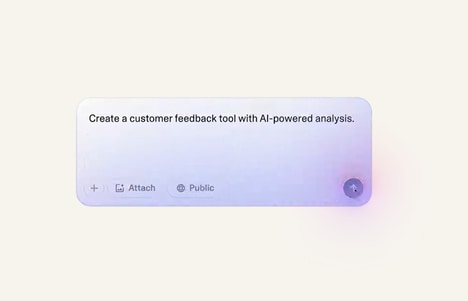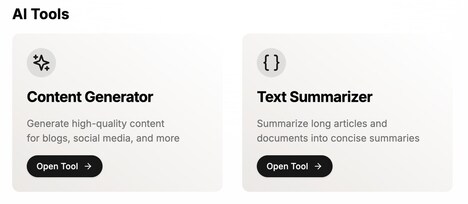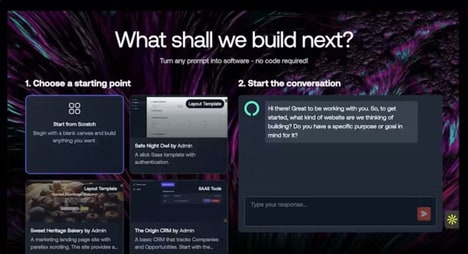
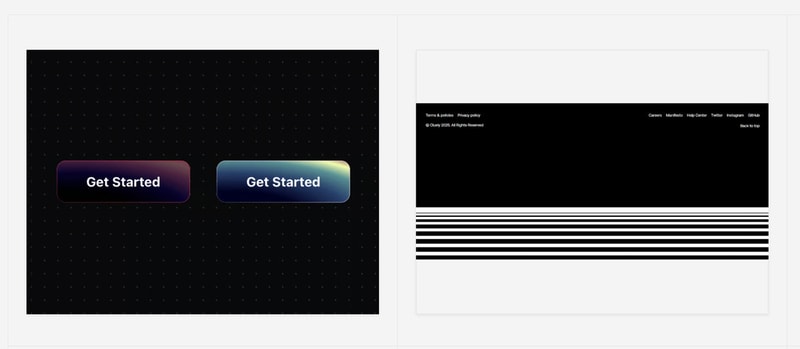
Developing AI-powered applications often requires combining user interfaces, infrastructure, tooling, and agent frameworks into a cohesive system. 21st helps simplify that process by providing a large collection of React components, agent templates, and developer tools designed specifically for AI applications.
The platform gives developers access to reusable building blocks that accelerate the creation of AI agents and agent-driven products. Alongside UI components, 21st offers an SDK that includes features such as memory management, observability, built-in tools, and managed infrastructure, reducing the need to assemble these systems separately. This allows teams to focus more on product development and less on underlying implementation details. Used by a large community of developers, 21st supports faster experimentation and deployment of AI experiences. The platform provides a foundation for building the next generation of intelligent applications powered by agents and modern AI workflows.
Image Credit: 21st
Why This Trend Is Growing
- Agent-ready Development Kits
- Modular SDKs with memory, observability, and managed infrastructure create room for faster AI product prototyping with fewer backend dependencies.
- Reusable AI Interface Components
- Prebuilt React elements tailored to intelligent applications signal a shift toward standardized front-end systems for agent-powered experiences.
- Low-friction AI Experimentation
- Developer platforms that combine templates, tools, and infrastructure lower technical barriers for teams testing new autonomous software concepts.
Industries Being Reshaped
- Software Development
- Integrated AI application platforms reshape how engineering teams build, test, and deploy intelligent products across modern software stacks.
- Artificial Intelligence
- Agent frameworks and reusable tooling expand the commercial potential of AI systems that manage tasks, context, and user interactions.
- Developer Tools
- Consolidated toolchains for AI workflows introduce new competitive space around infrastructure abstraction, productivity, and rapid deployment.