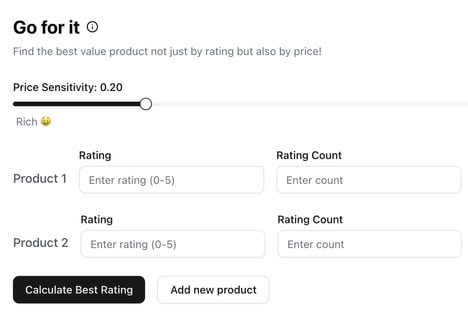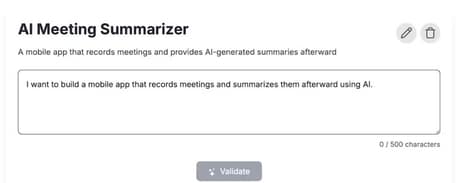

1st Things 1st positions itself in the emerging category of decision-support tools aimed at both personal and professional prioritization. It frames choice-making as a structured process, whether applied to intangible decisions such as habits, career paths, and daily tasks, or more tangible considerations like housing, vehicles, and purchases.
From a business perspective, it taps into growing demand for cognitive offloading tools that help users navigate increasing complexity and choice overload. The platform’s value proposition lies in providing a framework for ranking and clarifying competing priorities rather than offering direct recommendations. This aligns with broader trends in productivity software focused on decision architecture. Its potential adoption may depend on how effectively it translates subjective preferences into structured outputs and whether users find measurable improvements in clarity and decision confidence over time.
Image Credit: 1st Things 1st
Why This Trend Is Growing
- Structured Decision Architecture
- A movement toward transparent frameworks that can supplant ad hoc decision-making by delivering ranked priorities and traceable reasoning.
- Cognitive Offloading Platforms
- Rising demand for tools that externalize mental effort creates room for services that reduce choice overload through persistent, context-aware prioritization.
- Preference-to-score Translation
- By quantifying subjective preferences into comparable scores, systems can make disparate life and work options commensurable and easier to evaluate.
Industries Being Reshaped
- Productivity Software
- Task and workflow apps can be reinvented around decision frameworks that deliver clarity and confidence instead of simple to-do lists.
- Financial Services
- Advisory and robo-advisor offerings could integrate structured prioritization to align investments and budgeting with nuanced personal trade-offs.
- Real Estate and Mobility
- Property and transportation marketplaces stand to benefit from tools that translate lifestyle preferences into ranked, comparable options for major purchases.