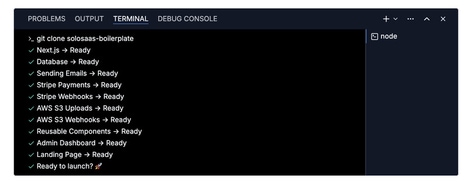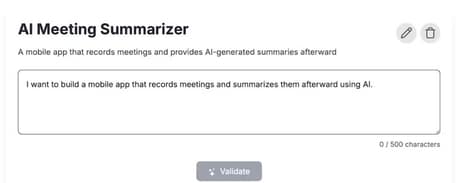
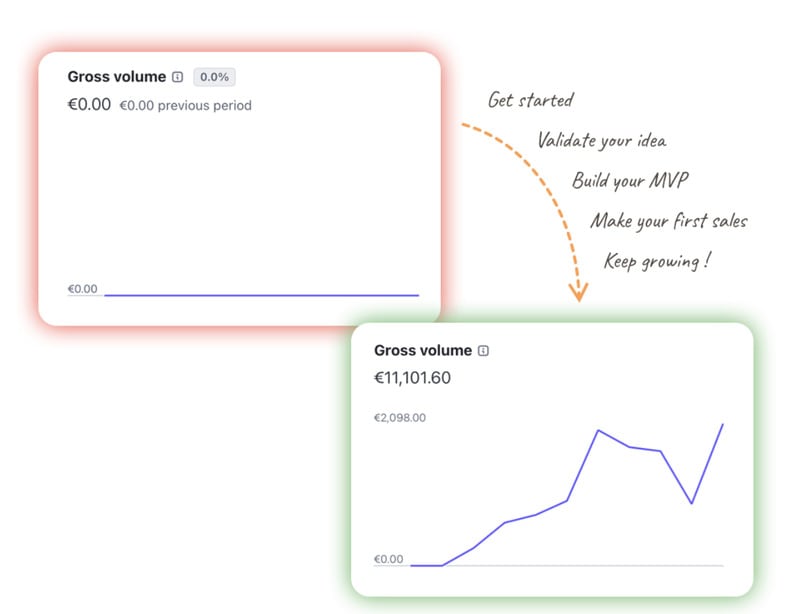
Your First Step is a structured toolkit designed to help aspiring solopreneurs build and launch a software-as-a-service (SaaS) product efficiently. The package combines strategic guidance with technical resources, including a solopreneur-focused launch guide and ready-to-use boilerplates for Express/Angular and Astro frameworks.
By pairing business validation principles with pre-configured codebases, the platform aims to reduce development time and lower barriers to entry for independent founders. Users can leverage the included templates to accelerate product setup while focusing on refining value propositions and customer acquisition strategies. The emphasis on speed and practicality positions the toolkit as a bridge between concept and market-ready application. For individuals seeking to validate ideas quickly and operate lean, it offers a consolidated starting point for SaaS development and early-stage execution.
Image Credit: Your First Step
What's Driving This Trend
- Solopreneur-focused Toolkits
- Toolkits tailored to solo founders consolidate business strategy and technical scaffolding, enabling single-person teams to ship market-ready SaaS with dramatically reduced overhead.
- Preconfigured Boilerplate Marketplaces
- Ready-to-deploy codebases and framework-specific templates create a new commodity layer for rapid product assembly, shifting competitive advantage toward customization and go-to-market speed.
- Validation-first Launch Frameworks
- Combining lean validation methods with integrated launch tooling promotes earlier market feedback cycles, shortening the path from idea to revenue and redefining MVP expectations.
Who This Affects Most
- Software Development Tools
- Developer tooling that embeds business validation and launch workflows can disrupt traditional IDE ecosystems by prioritizing product-market fit alongside code generation.
- Startup Incubation Services
- Incubators and accelerators integrating templated tech stacks may challenge mentorship-heavy models by offering scalable, plug-and-play technical enablement for many more founders.
- No-code and Low-code Platforms
- Platforms that incorporate purpose-built SaaS templates and validation guides stand to shift adoption from generic builders to verticalized, founder-centric product factories.