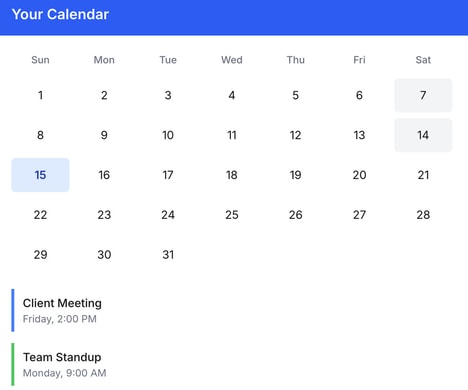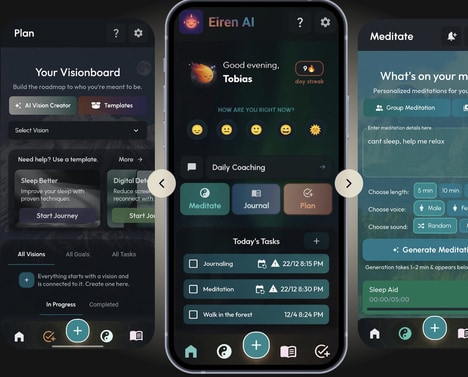
Modern work environments often blur the boundaries between productivity and personal time, especially in always-on communication tools like Microsoft Teams -- earli is an AI agent built directly into Teams to help users maintain healthier work-life balance.
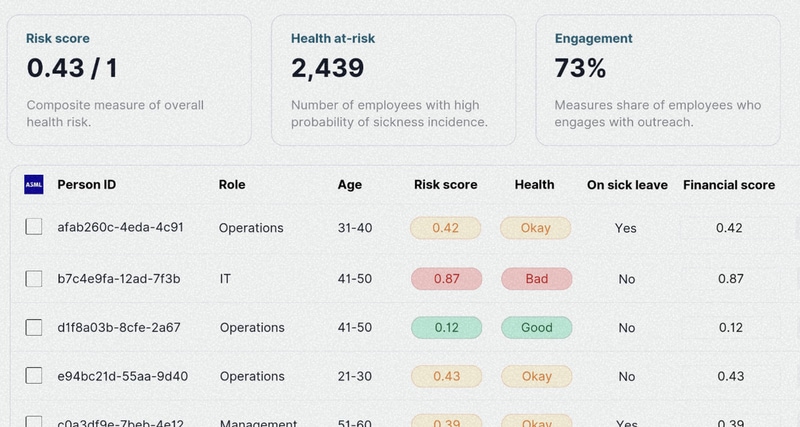
The system analyzes work patterns throughout the week to help users understand their workload distribution and identify potential burnout risks. It highlights harmful habits such as overwork, late-hour activity, or uneven task distribution.
Beyond insights, earli also provides proactive guidance, suggesting when to slow down, delegate, or seek support when stress patterns are detected. This turns passive work tracking into active wellbeing support.
earli is designed to operate seamlessly within Microsoft Teams, integrating into existing workflows without disruption. By combining behavioural analysis with gentle AI-driven guidance, it helps employees maintain a more sustainable and balanced work rhythm.
Image Credit: earli
What's Driving This Trend
- Embedded Wellbeing Agents
- AI assistants inside workplace platforms are turning employee wellness into a contextual layer of everyday collaboration, creating openings for tools that detect stress without requiring separate apps.
- Burnout Pattern Analytics
- Behavioral workload analysis is making burnout risk more visible across digital work environments, enabling predictive systems that translate communication habits into wellbeing signals.
- Proactive Workload Guidance
- Personalized nudges around pacing, delegation, and recovery are shifting productivity software from passive tracking toward adaptive support for sustainable performance.
Who This Affects Most
- Enterprise Software
- Collaboration platforms are becoming hubs for AI-powered workforce intelligence, with new value emerging from features that combine productivity data and employee wellbeing insights.
- Human Resources Technology
- People analytics providers are expanding beyond engagement surveys into real-time behavioral support, opening space for wellbeing tools that respond to stress patterns as they form.
- Digital Health
- Workplace mental health solutions are increasingly blending into daily software ecosystems, creating opportunities for preventative care models based on routine digital behavior.