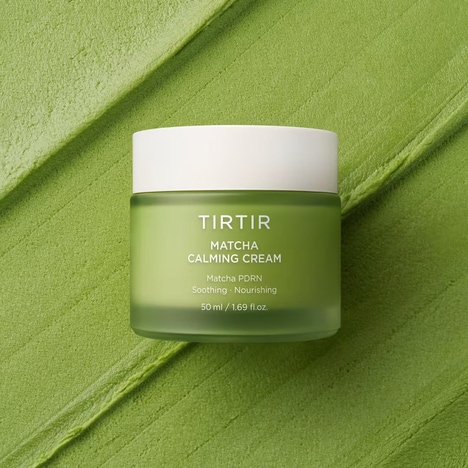
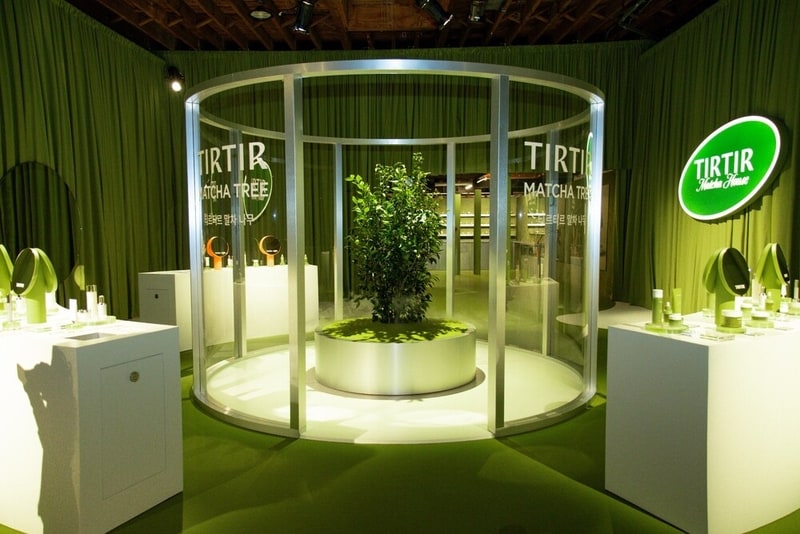
Immersive K-beauty pop-ups are emerging as a strategic way for brands like TIRTIR to expand globally through culturally rooted, experience-driven retail. The brand’s Matcha House activation in New York centers on Jeju-grown matcha and its Matcha PDRN ingredient, linking natural sourcing with skin-calming benefits. The space extends this concept through scent, visuals, and interactive elements, turning product discovery into a sensory experience that reinforces authenticity and ingredient transparency.
This strategy appeals to experience-driven consumers, particularly Gen Z and Millennials who value both efficacy and storytelling. The limited-time format creates urgency and social media buzz, driving foot traffic and organic promotion through influencer content. It also allows brands to test new markets without committing to permanent retail spaces. This model can be applied across beauty, wellness, and even food industries, where brands can translate key ingredients or origins into immersive experiences that strengthen brand identity and influence purchasing decisions.
Image Credit: TIRTIR
What's Driving This Trend
- Immersive Ingredient Storytelling
- Bringing ingredient provenance and science-forward narratives into sensory environments creates new pathways for trust-building and premiumization.
- Limited-time Experiential Retail
- Short-run activations generate urgency and social amplification that can disrupt traditional long-lead retail expansion models.
- Sensorial Brand Activations
- Multisensory environments that combine scent, touch, and visuals offer differentiated product discovery experiences that can shift purchase drivers from price to experience.
Who This Affects Most
- Beauty
- Pop-up experiences centered on ingredient origin and efficacy present opportunities to redefine consumer education and brand loyalty in a crowded market.
- Wellness
- Experiential activations that translate therapeutic ingredients into immersive rituals can alter how wellness products are evaluated and valued.
- Food and Beverage
- Ingredient-driven sensory spaces that emphasize provenance and taste narratives have the potential to change how consumers discover and pay premiums for artisanal products.