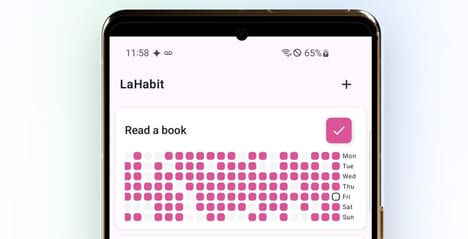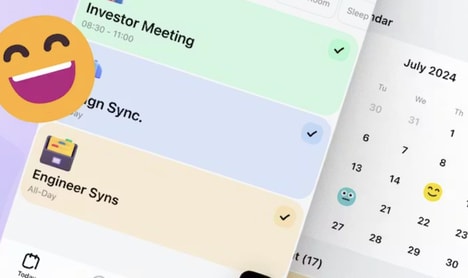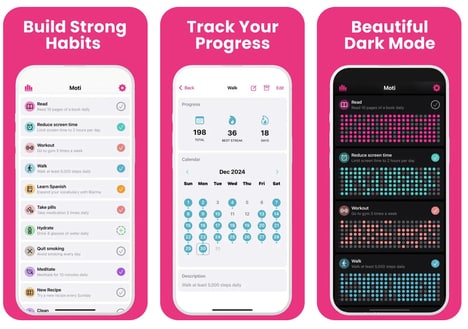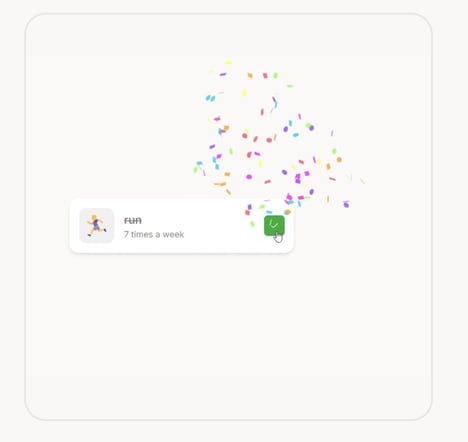
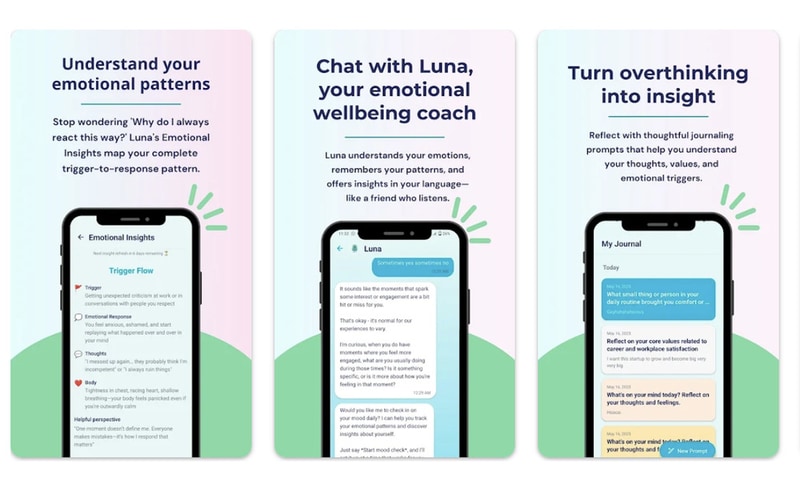
Habitize positions itself within the mental wellness and habit formation app space, combining mood tracking, AI-generated journal prompts, and micro-challenge-based behaviour building. The platform focuses on translating short daily inputs into structured insights and incremental habit development, targeting users seeking lightweight mental health support tools.
It sits in a competitive segment where engagement and retention are driven by daily utility rather than one-off use cases. Its use of AI-guided reflection suggests an attempt to personalise emotional tracking without requiring extensive user input. The inclusion of science-backed micro-challenges indicates a structured approach to behaviour change, appealing to users interested in gradual self-improvement. Its success will likely depend on sustained user engagement, perceived emotional value, and how effectively it balances simplicity with meaningful personal insight over time.
Image Credit: Habitize
What Makes This Trend Stand Out
- AI-guided Reflection
- Personalized AI prompts and analysis enable scalable emotional insight by translating brief user inputs into tailored reflective experiences.
- Micro-challenge Behavior Design
- Small, science-backed daily tasks create structured pathways for habit formation that lower activation energy and increase long-term adherence.
- Lightweight Daily Mental Health
- Minimal-input, high-frequency interactions prioritize sustained engagement through low-friction touchpoints that fit into routine life.
Sectors Adopting This
- Digital Mental Health Platforms
- Integrating AI journaling and micro-challenges can transform therapeutic support models by offering scalable, personalized adjuncts to traditional care.
- Employee Wellness Programs
- Workplace wellbeing offerings may shift toward continuous, data-informed mental health experiences that emphasize preventive, bite-sized interventions.
- Consumer Habit-tracking Tools
- Habit apps that couple emotional insight with micro-challenges have the potential to redefine consumer self-improvement by merging mood-aware personalization with behavior scaffolding.