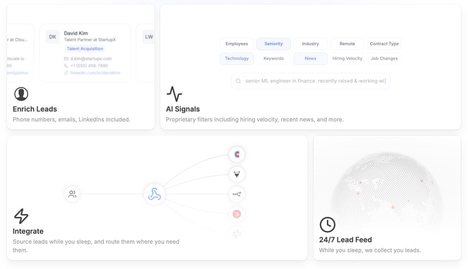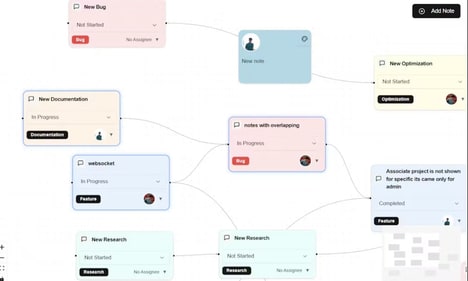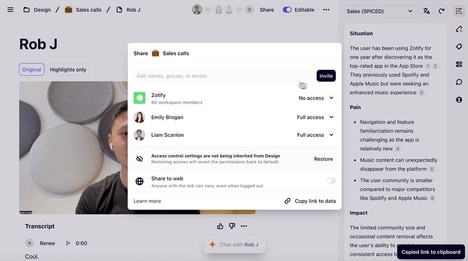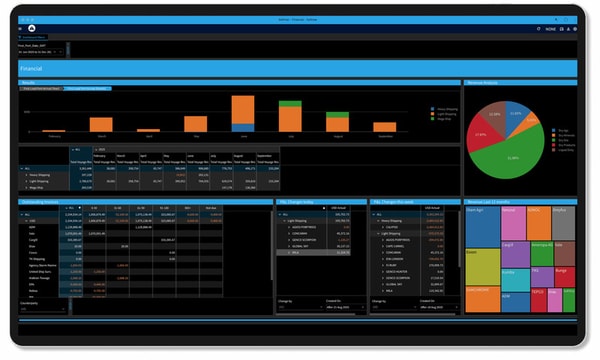
DataCap is a software platform designed for managing, transforming, and visualizing data across diverse sources. It supports a wide range of inputs, including relational databases, NoSQL systems, big data repositories, and various file formats. Users can perform operations such as data transformation, integration, and conversion directly within the platform, enabling a more streamlined approach to handling complex datasets.
From a business perspective, DataCap provides a centralized environment for organizations that need to consolidate data from multiple sources, standardize formats, and generate actionable insights through visualization. By simplifying the process of moving and converting data between systems, it reduces the risk of errors, saves time, and supports data-driven decision-making. The platform is positioned as a flexible tool for IT teams, analysts, and organizations working with heterogeneous data environments.
Image Credit: DataCap
What Makes This Trend Stand Out
- Unified Data Management
- The push towards comprehensive solutions simplifying cross-platform data integration represents a significant shift in how businesses manage vast and varied data sources.
- Data Visualization Evolution
- Innovations in how data is visualized enable organizations to derive more meaningful insights, transforming raw data into actionable intelligence.
- Nosql Compatibility Increase
- Growing compatibility with NoSQL systems indicates a trend towards embracing diverse data structures, catering to the increasing variety in data types and formats.
Sectors Adopting This
- Business Intelligence Software
- The advancement of platforms like DataCap expands the scope of business intelligence tools, offering new opportunities for enhanced data analytics and visualization.
- IT Services and Solutions
- Increased demand for data integration platforms spurs innovation in IT services, particularly in simplifying and automating complex data workflows.
- Cloud Computing
- The integration of disparate data sources into a cohesive platform reflects broader trends in cloud computing, facilitating seamless data movement across cloud environments.