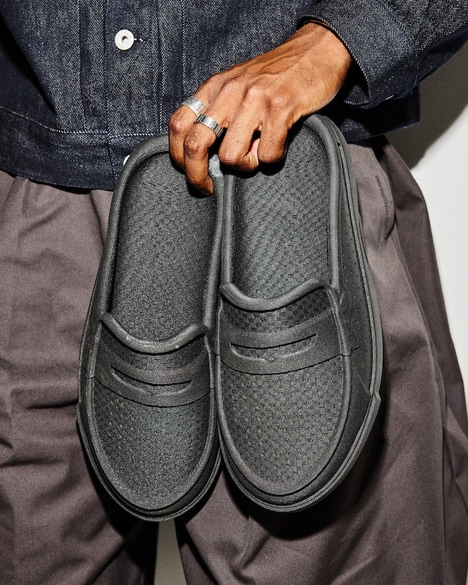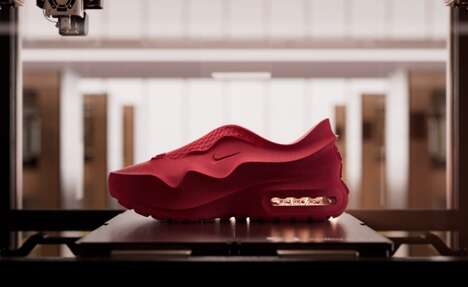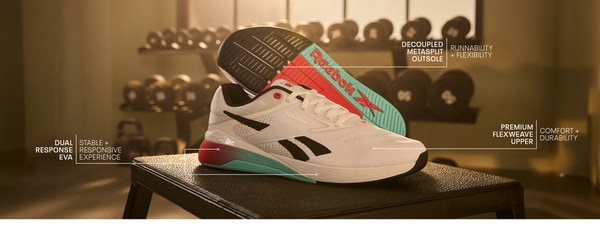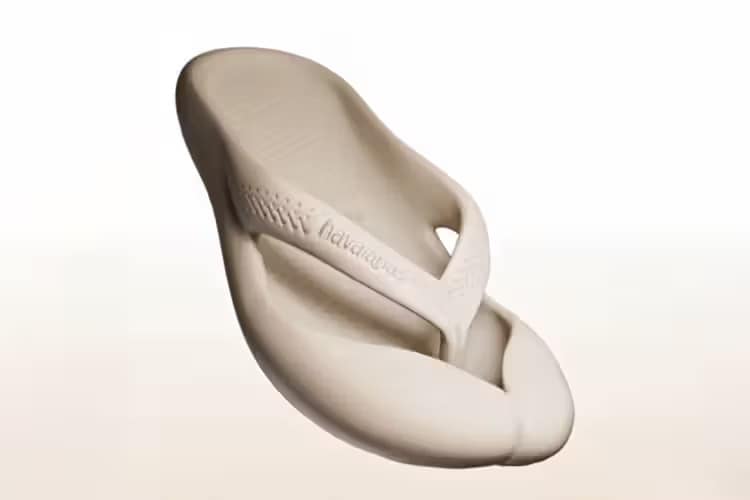
The first-ever 3D-printed flip-flops from Havaianas mark a bold leap in footwear design. It is created in partnership with experimental brand Zellerfeld, the sandals retain Havaianas’ signature silhouette but are built entirely via 3D printing in a single piece. Their striking open-lattice structure offers a futuristic take that blends lightweight flexibility with sculptural form, redefining what a familiar icon can become.
Ready on demand via Zellerfeld’s platform, the flip-flops will launch in five vibrant colors. Production uses recyclable zellerFOAM material and additive manufacturing to merge sustainability with customization and comfort. This collaboration transforms a universally recognized staple into a forward-looking statement, uniting functionality and bold design in a way that feels both inventive and true to its origins.
Image Credit: Zellerfeld, Havaianas
Why This Trend Is Growing
- 3d-printed Footwear
- 3D printing in footwear transforms traditional manufacturing by offering seamless design capabilities and rapid prototyping, enabling brands to deliver personalized products efficiently.
- Sustainable Fashion Innovation
- Blending sustainability with cutting-edge technology, the creation of fully recyclable flip-flops showcases the potential for eco-friendly advancements in the fashion industry.
- Customizable Consumer Goods
- Through additive manufacturing, consumers are provided with the opportunity for personalized, on-demand products that cater to individual preferences and needs.
Industries Being Reshaped
- Footwear Manufacturing
- The introduction of 3D printing opens new avenues in the footwear industry by reducing material waste and allowing for intricate design adjustments not possible with traditional methods.
- Sustainable Materials
- As the demand for eco-conscious products grows, industries focused on developing recyclable materials see a rising importance in supporting sustainable production cycles.
- Additive Manufacturing
- Transformative impacts in product creation and inventory management are evident within industries adopting additive manufacturing technologies for customizable production processes.