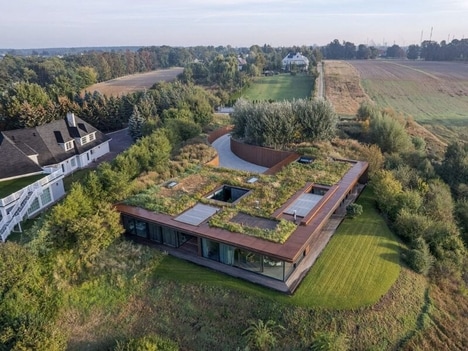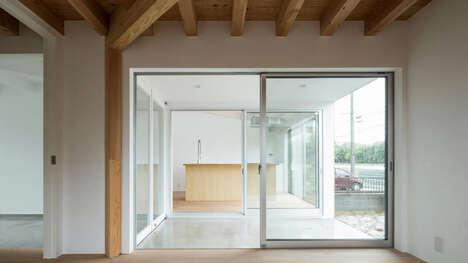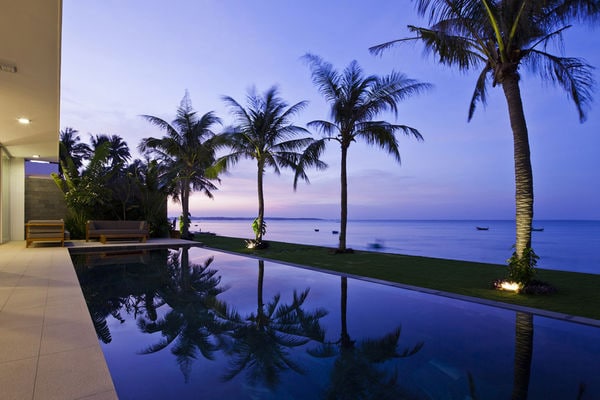
Created by Japanese architects, the Suppose Design Office is a residence that is based on classic pit dwelling houses. The house has a hill made from excavated dirt and grass that has been structured around the first level of the residence like a border.
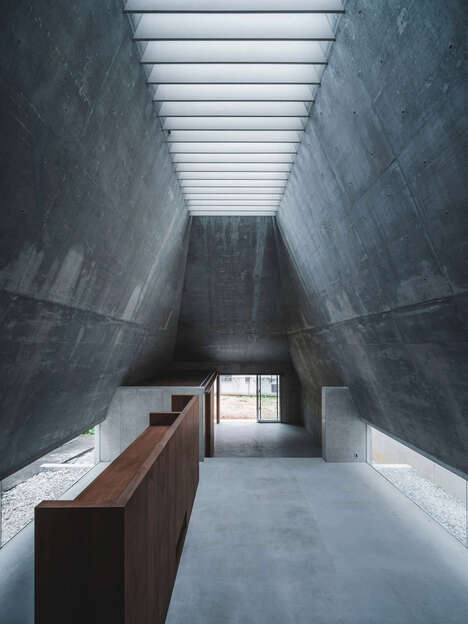
The mound of land around the house makes the first floor virtually invisible to all neighbors; however, the top half of the house stands amicably. Its cool trapezoid roof adds a ancient attitude to the whole design.
This pit dwelling house is located in Saijo, Hiroshima, Japan.
Why This Trend Is Growing
- Pit Dwelling Houses
- The trend of designing houses based on classic pit dwelling houses offers opportunities for architects to create unique and visually stunning residential spaces.
- Invisible Architecture
- The trend of incorporating natural elements to make parts of a building disappear presents disruptive innovation opportunities for architects to blend structures seamlessly with the environment.
- Ancient-influenced Designs
- The trend of incorporating ancient architectural elements into modern designs presents opportunities for architects to create visually appealing structures that evoke a sense of history and tradition.
Industries Being Reshaped
- Architecture
- The architecture industry can leverage the trend of pit dwelling houses and invisible architecture to create innovative and sustainable residential and commercial buildings.
- Construction
- The construction industry can embrace the trend of ancient-influenced designs to offer unique building materials and techniques that blend modern technologies with traditional aesthetics.
- Tourism and Hospitality
- The tourism and hospitality industry can capitalize on the trend of pit dwelling houses to create immersive and eco-friendly accommodations that offer guests a unique and memorable experience.