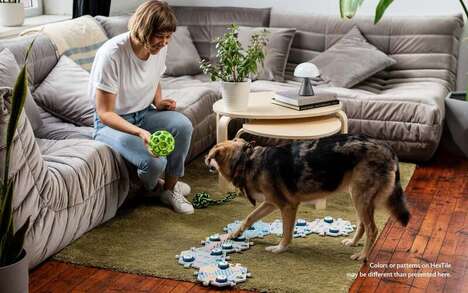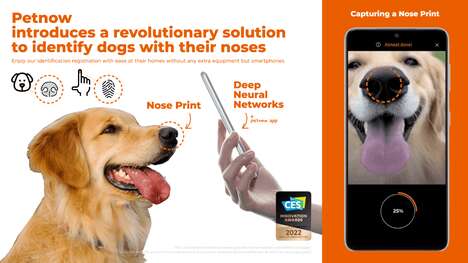
In a recent study of dog owners, who claim to know their pets, only 40% of the owners could accurately interpret their dog's emotional state based on the sound of its bark.
Scientists in Budapest are now developing computer software that has a better track record of 43% and plan to enhance the software so that dog-to-human communication can be improved. The computer can determine when the dog feels lonely, spots a ball, when it fights, plays, sees a stranger, or wants to go for a walk.
Key Themes Behind This Trend
- Canine Emotion Recognition
- Advancements in computer software to interpret and recognize dogs' emotional states through their barks and body language.
- Pet Communication Research
- Increasing efforts to improve communication between humans and pets through innovative technologies and techniques.
- Animal Behavior Analysis
- Growing interest in analyzing animal behaviors through technology and AI for improved understanding and communication with pets.
Where This Applies
- Pet Tech
- Development and growth of technology specifically designed for pets, including communication devices.
- AI and Machine Learning
- Increased use of AI and machine learning in animal behavior research and analysis, particularly for companion animals such as dogs.
- Consumer Goods and Services
- Rising demand for products and services that cater to human-animal communication and understanding, such as dog training and pet food.