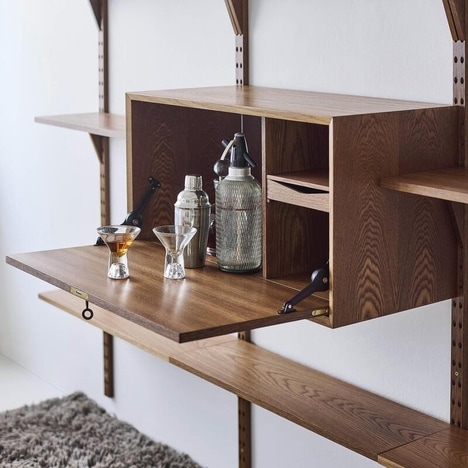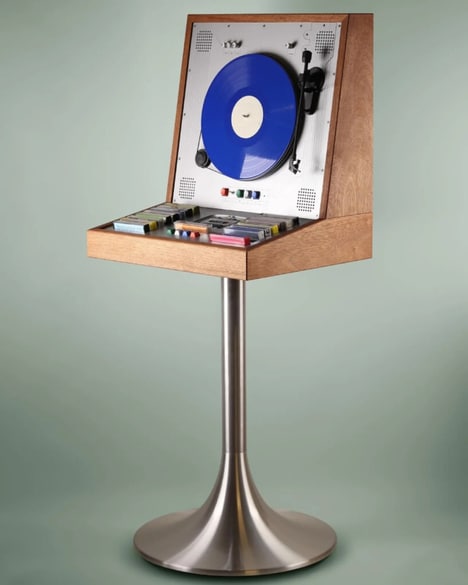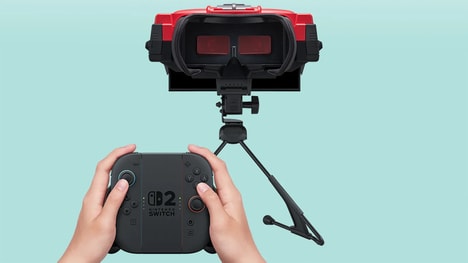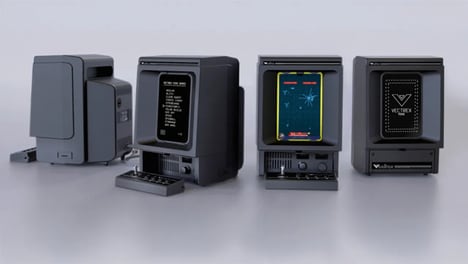
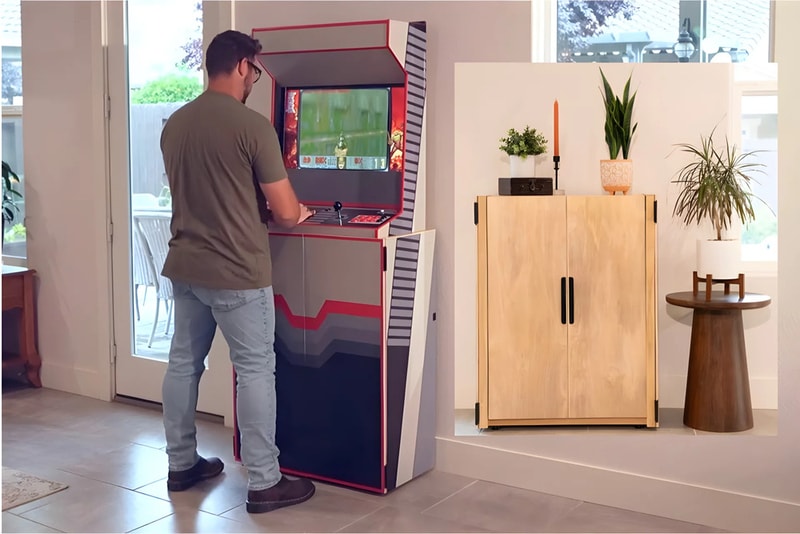
The Swap Arcade has been designed by Les Cookson as a modern gaming system that's inspired by the arcade, but suited for placement in the average home. The arcade game draws inspiration from conventional cabinet-style games from conventional arcades, but will fold down when not in use to hide in plain sight as a conventional storage cabinet. The system weighs in at 100-pounds and boasts the Batocera system that will support both classic and modern games with 100 titles being added on to get players started.
The Swap Arcade is equipped with a 27-inch display with built-in speakers, a two-player control panel layout with Sanwa joysticks, a total of 16 buttons spread across both sections and auxiliary buttons. The system is being launched as part of a Kickstarter campaign.
Image Credit: Swap Arcade
What's Driving This Trend
- Furniture-integrated Gaming
- Aesthetic storage pieces concealing interactive entertainment create room-centric devices that blend leisure tech with interior design sensibilities.
- Stealth Home Electronics
- Disguised consumer electronics that minimize visual clutter signal demand for devices that prioritize concealment without sacrificing functionality.
- Retro-modern Hybrid Consoles
- Systems combining classic arcade controls and contemporary software ecosystems point to experiences that appeal to nostalgia while supporting modern content libraries.
Who This Affects Most
- Home Furniture
- Manufacturers of cabinetry and living-room furnishings face opportunities to integrate durable electronics and ergonomically designed interfaces into conventional pieces.
- Consumer Electronics
- Hardware makers and OS providers could capitalize on space-saving form factors that merge high-quality displays, audio, and legacy input standards.
- Hospitality and Entertainment Venues
- Boutique hotels, bars, and lounges may find value in modular arcade furnishings that deliver curated gaming experiences while preserving venue aesthetics.