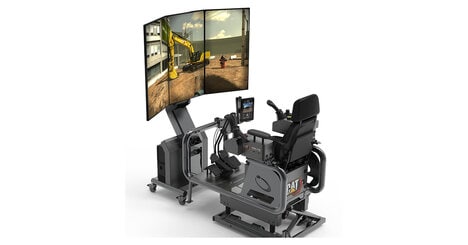

Interplay Learning is starting Skill Verification on October 15 with 20 simulation-based assessments that let supervisors and safety leaders check whether a worker can complete a trade task before dispatch, contractor approval, hiring or promotion. Using digital scenarios that match real equipment and job conditions, it tracks performance at each step instead of relying on interviews or multiple-choice tests.
The opening set reaches commercial HVAC and manufacturing, giving employers one way to judge skills across different sites and shifts. A score with missed-step detail from digital multimeter exercises turns the result into a coaching tool rather than a simple yes-or-no screen.
Step-level scoring turns hands-on screening into a repeatable hiring and dispatch workflow, reducing the need for live test setups and extra supervisor time. The same format also widens the product beyond employers because schools and workforce programs can verify practical ability before students enter the field.
Image Credit: Interplay Learning
What Makes This Trend Stand Out
- Simulation-based Credentialing
- Digital task environments are reshaping trade verification by measuring real-world performance without requiring physical labs or live equipment setups.
- Step-level Performance Analytics
- Granular scoring data creates new value in workforce assessment by turning missed actions into targeted coaching, safety, and productivity insights.
- Pre-dispatch Skill Validation
- Remote practical testing supports more reliable labor deployment by confirming worker readiness before field assignments, approvals, or promotions.
Sectors Adopting This
- Skilled Trades Training
- Vocational schools and workforce programs gain scalable ways to validate hands-on ability before learners enter job sites or apprenticeships.
- Commercial HVAC
- Employers in equipment-intensive service sectors can standardize competency checks across locations while reducing dependence on supervisor-led evaluations.
- Manufacturing Workforce Management
- Factories and contractors benefit from repeatable skills verification that links hiring, safety compliance, and upskilling to measurable task performance.