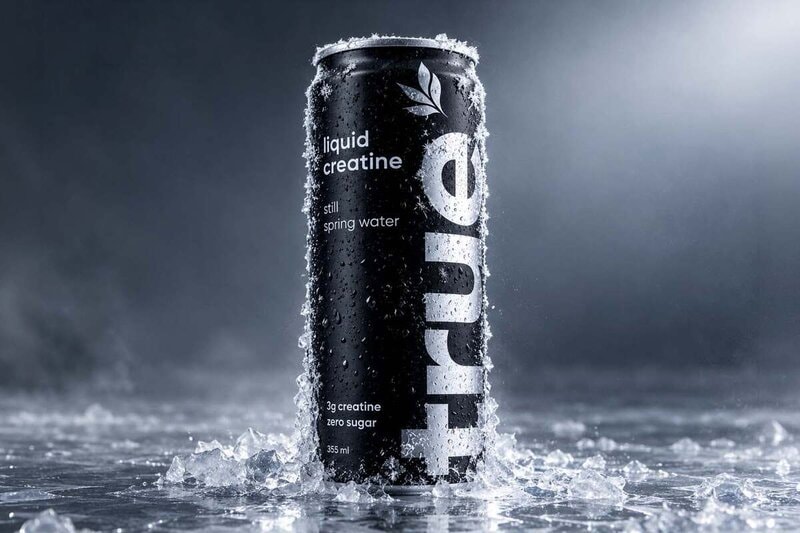
True Protein is bringing creatine drinks closer to shelf-stable convenience with Liquid Creatine, a canned formula built around TLC technology. The process keeps creatine mixed into water without encapsulation, aiming to solve the stability problem that has long limited liquid versions.
The drink pairs mineral-rich Australian spring water with 3g of creatine monohydrate and leaves out sugar, sweeteners, preservatives, and stabilizers. It is made at the brand's new Melbourne facility, and the 355ml can gives users a simple way to take creatine without powders, scoops, or separate mixing.
At 3g per can, Liquid Creatine turns a daily supplement into a ready-to-drink format that fits more easily into convenience-store and functional beverage sets. If the stability claim holds up, it could make canned creatine a more credible option for brands that have treated the category as technically difficult to package.
Image Credit: True Protein
What's Driving This Trend
- Shelf-stable Creatine
- Shelf-stable liquid creatine formats signal room for functional beverages that convert traditionally powder-based supplements into mainstream grab-and-go products.
- Clean-label Performance Drinks
- Sugar-free, sweetener-free, and preservative-free formulations highlight growing potential for sports nutrition products that balance efficacy with minimalist ingredient expectations.
- Convenience Supplementation
- Ready-to-drink dosing creates new value in daily supplement routines by reducing preparation friction and fitting performance nutrition into retail beverage occasions.
Who This Affects Most
- Functional Beverages
- Canned creatine expands the functional beverage market with technically differentiated products positioned beyond hydration, energy, and protein drinks.
- Sports Nutrition
- Stable liquid formats introduce fresh competitive possibilities for sports nutrition brands seeking accessible alternatives to powders, tubs, and capsules.
- Convenience Retail
- Single-serve performance supplements in cans create merchandising potential for convenience channels that increasingly blend refreshment with health-focused utility.