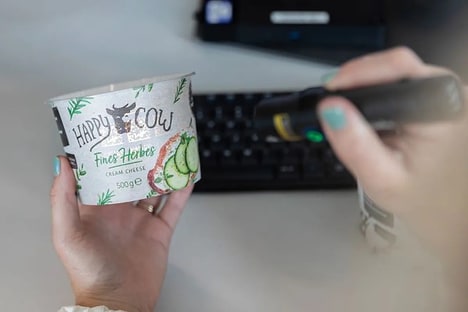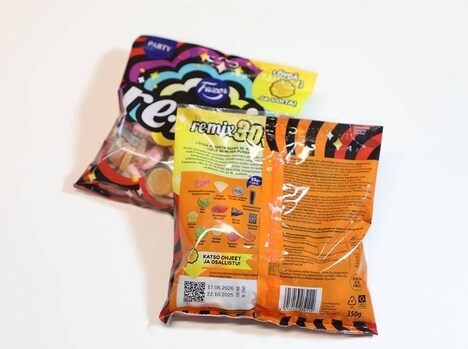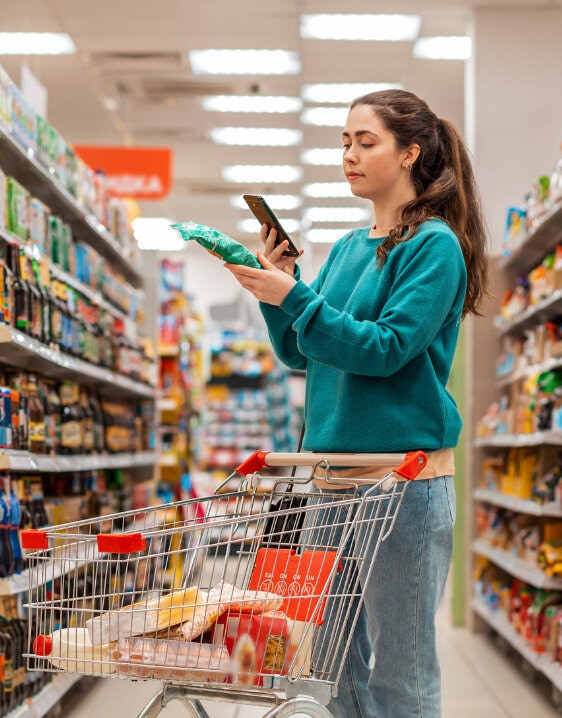
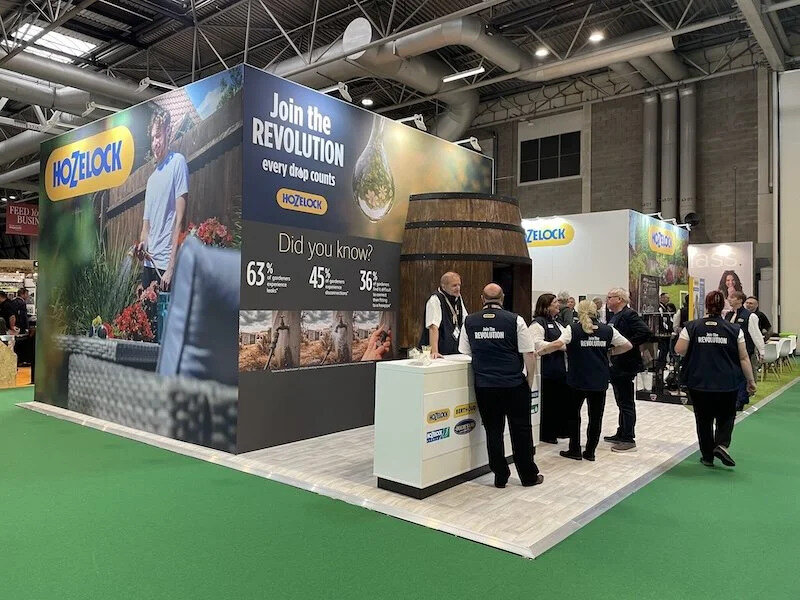
Hozelock is adding smart QR codes to its garden products with 'Polytag,' giving buyers faster access to setup help and how-to content. The codes turn packaging into a live help layer, keeping product support close to the item.
The rollout covers products sold through retailers, including B&Q, and the same QR code can adapt content to a customer's market and device language. That matters for Hozelock's technical, higher-value products, where box copy alone may not provide sufficient guidance for everyday use.
For brands, this signals that packaging is becoming both a service surface and a shelf marker. It also gives connected products a way to continue communicating after purchase, which can strengthen support without adding more printed material.
Image Credit: Retail Technology Innovation Hub
Why This Trend Is Growing
- Adaptive Packaging Interfaces
- Packaging that changes digital content by market, language, or device creates room for more personalized support experiences without expanding printed materials.
- Post-purchase Support Layers
- Connected QR touchpoints extend brand communication beyond the shelf, making product guidance, troubleshooting, and education more accessible after purchase.
- Localized Product Onboarding
- Language-aware setup content reduces friction for technical goods, opening new value in region-specific customer education and self-service assistance.
Industries Being Reshaped
- Garden Products
- Smart packaging gives tool and equipment brands a scalable way to explain installation, maintenance, and usage for higher-value household products.
- Retail Technology
- Shelf-level digital access points can turn physical packaging into a data-rich service channel for retailers and brands managing omnichannel experiences.
- Consumer Goods Packaging
- Dynamic QR systems position packaging as an interactive media surface, supporting sustainability goals while improving customer support and engagement.