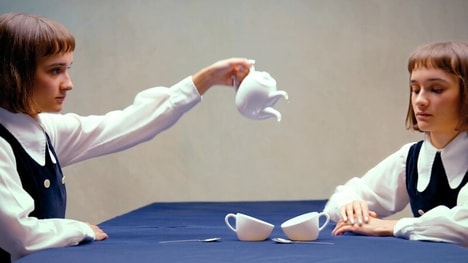
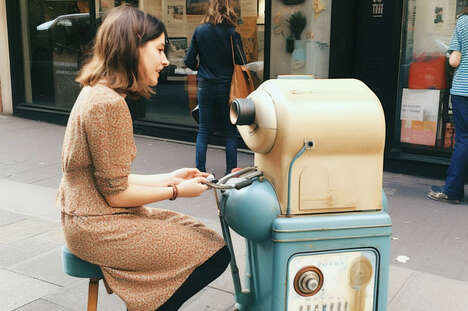
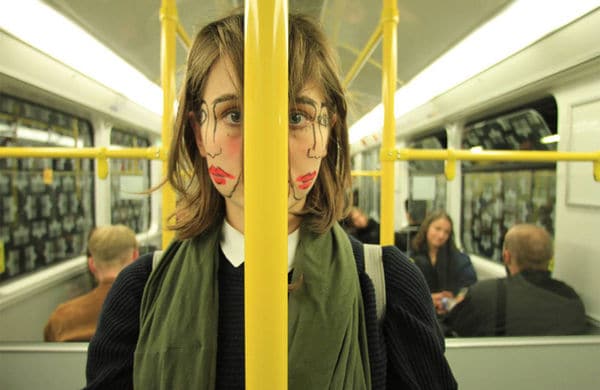
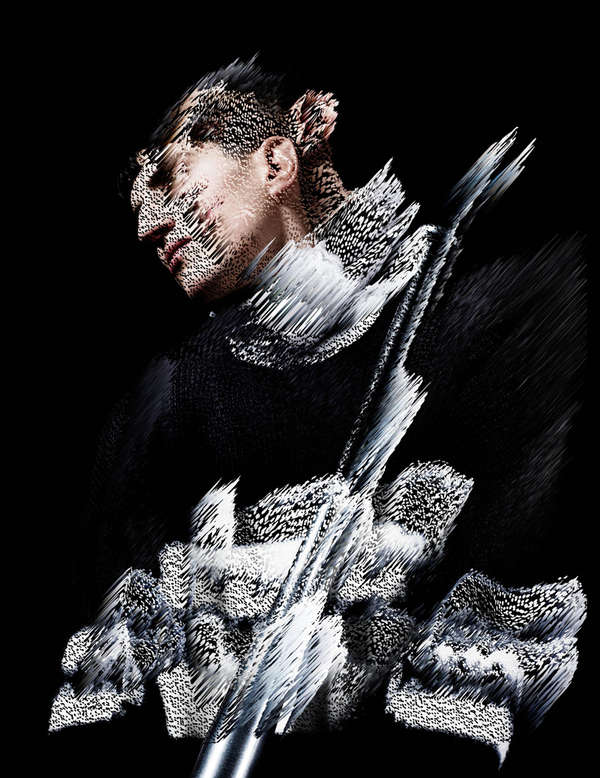
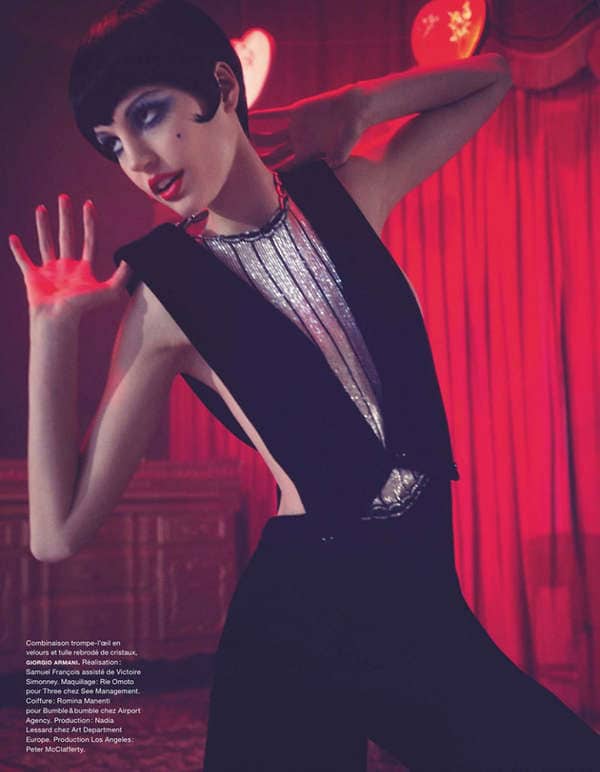
Melbourne-based conceptual photographer Scott Newett captures scenes that are at once surreal and familiar. This is because the photographer portrays scenes that have been experienced by most people—walking past a window display, playing ping pong or squash—but emphasizes subtle details such as facial expressions and lighting that seem out of place in such familiar situations.
One way of achieving a surreal feeling or aesthetic is by creating fantastic scenes interlaced with ordinary objects; this technique is in the style of Dali. Another method is to depict more everyday scenes, but also emphasize something that is askew or not quite fitting with such scenes; this is more in the tradition of Magritte. Newett’s work falls into the latter as they are subtle and evocative.
What's Driving This Trend
- Fantastic Scenes
- Creating fantastic scenes interlaced with ordinary objects can provide a surreal feeling, offering disruptive innovation opportunities for artists and designers.
- Emphasizing the Askew
- Depicting everyday scenes but emphasizing something that is not quite fitting offers disruptive innovation opportunities for photographers and filmmakers.
- Subtle and Evocative Art
- Creating art that is subtle and evocative, such as Scott Newett's photography, provides disruptive innovation opportunities for visual artists to challenge perceptions and evoke emotions.
Who This Affects Most
- Art and Design
- The art and design industry can benefit from disruptive innovation opportunities by exploring techniques that blur the line between reality and fantasy, as seen in surreal photography.
- Photography and Filmmaking
- Photographers and filmmakers can explore disruptive innovation opportunities by emphasizing the askew in everyday scenes, creating thought-provoking and visually impactful content.
- Visual Arts
- The visual arts industry can leverage disruptive innovation opportunities by producing subtle and evocative art, provoking introspection and challenging traditional artistic conventions.