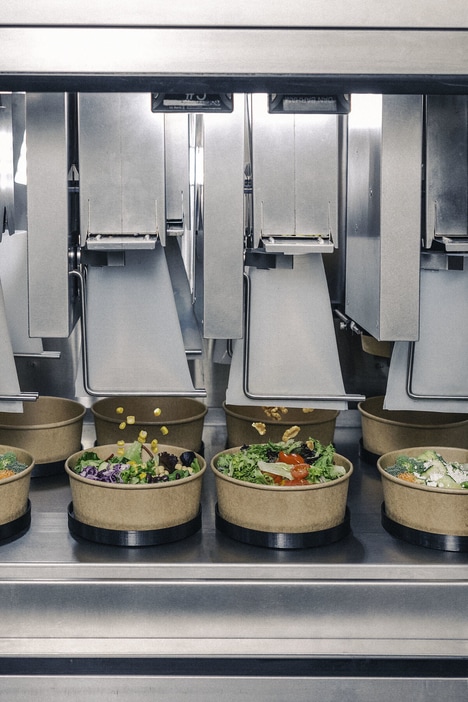
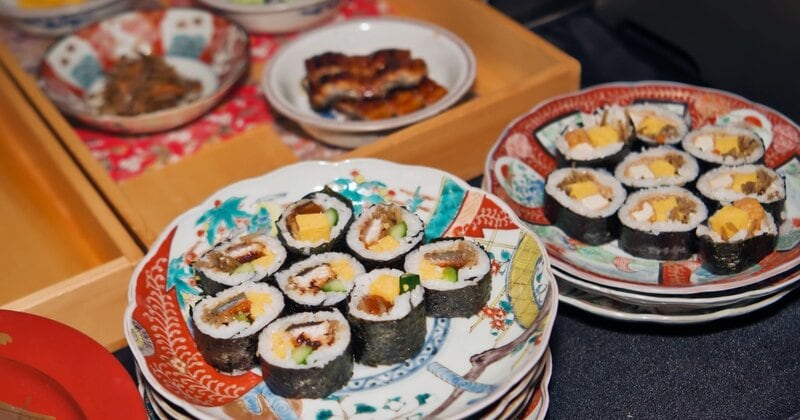
Autec is bringing Kyoto-style Obanzai into a faster sushi format with tabletop robots that turn cooked rice and home-style fillings into ready-to-serve rolls. The setup translates Mottainai, the Japanese idea of using ingredients and resources fully, into a modern prep flow, allowing a traditional low-waste meal to be assembled in seconds rather than by hand.
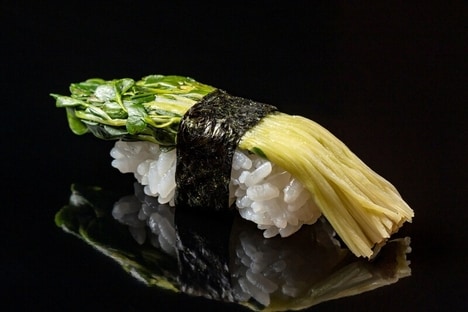
The 'Tofu Atsu-age Roll' pairs simmered tofu with burdock root, while the 'Unagi Kabayaki Roll' pushes the format toward a richer, more savory bite. Using cooked and pickled components rather than raw fish keeps the rolls closer to Obanzai's longer-lasting kitchen logic and widens what diners might expect from sushi.
For brands, this means Japanese comfort dishes can be added to sushi-style menus without relying on raw-fish conventions. It also gives operators using prep equipment a clearer way to link automation to waste-conscious menu development.
Image Credit: Hachikin Creative
What Makes This Trend Stand Out
- Automated Comfort Sushi
- Tabletop robotics are reframing sushi as a scalable comfort-food format, creating room for operators to serve traditional regional fillings with faster labor-light preparation.
- Low-waste Menu Engineering
- Mottainai-inspired ingredient use highlights how automation can support resource-efficient meals that extend shelf life and reduce dependence on premium raw components.
- Cooked-filling Sushi Formats
- Sushi made with simmered, pickled, and savory cooked ingredients expands consumer expectations beyond raw fish while making the category more accessible for varied dining environments.
Sectors Adopting This
- Foodservice Automation
- Compact prep machines are enabling restaurants and retailers to standardize complex assembly tasks while preserving culinary variety and cultural specificity.
- Japanese Casual Dining
- Kyoto-style Obanzai adapted into grab-and-go rolls signals new potential for regional Japanese comfort dishes to enter faster, more flexible service models.
- Prepared Foods Retail
- Longer-lasting cooked sushi formats give supermarkets and convenience channels a fresh pathway to offer premium Japanese meals with improved consistency and waste control.