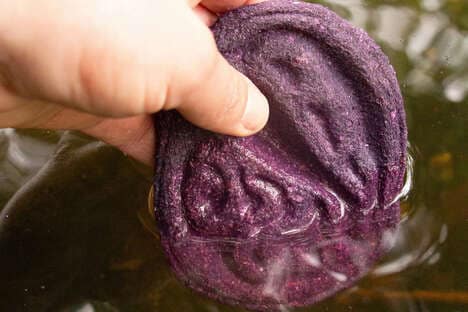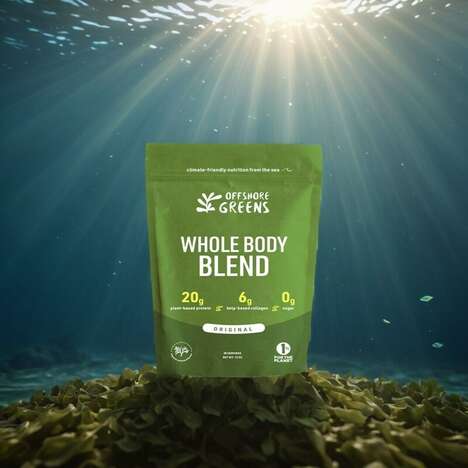
These Qingdao beach photos look as though the visitors are swimming in patches of lettuce. But don't be fooled. The green plant-like substance that's overtaken the waters is in reality algae that's worked its way up the coastline of the Shandong province.
Though Qingdao beach looks more like a soccer field than an actual beach, none of the local residents and tourists are being deterred from taking a dip in its refreshing waters. And why should they? Algae's just a vegetable after all, right?
Implications - As a direct response to the world's saturation of technology, consumers are choosing to remain closer to nature. This offers them a sense of fulfillment as they aren't overwhelmed by technological advancements. Corporations may capitalize on this consumer desire to embrace the naturalistic by offering consumers products with organic-looking textiles.
Key Themes Behind This Trend
- Naturalistic Experiences
- As consumers seek fulfillment in nature, businesses can innovate by offering products and services that cater to this desire.
- Organic Aesthetics
- As the trend for embracing natural-looking fabrics and materials grows, businesses can find opportunities to design products that cater to this aesthetic.
- Algae as a Resource
- As the world searches for more sustainable solutions, businesses may find opportunities to utilize algae as a renewable resource for a wide range of industries.
Where This Applies
- Eco-friendly Fashion
- As consumers seek organic-looking textiles, businesses focused on eco-friendly fashion have the opportunity to innovate with new materials and designs.
- Sustainable Agriculture
- As algae becomes more commonly used as a renewable resource for a variety of industries, businesses focused on sustainable agriculture can innovate by incorporating it into their processes.
- Renewable Energy
- As the world looks for more sustainable solutions, businesses focused on renewable energy can find opportunities to incorporate algae as a source of biofuel or other energy sources.