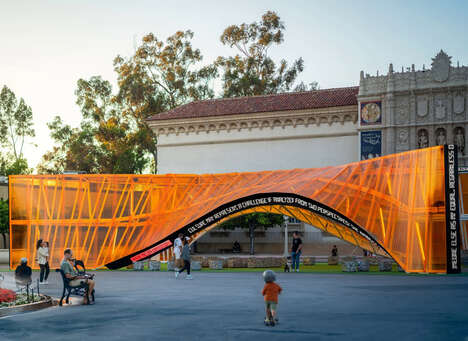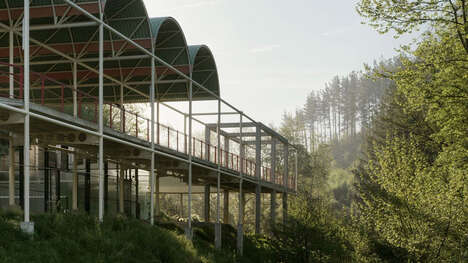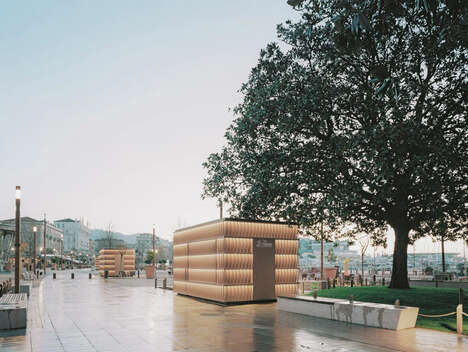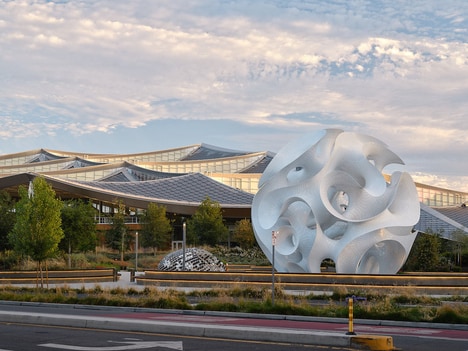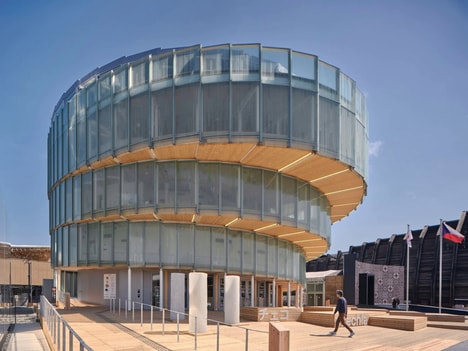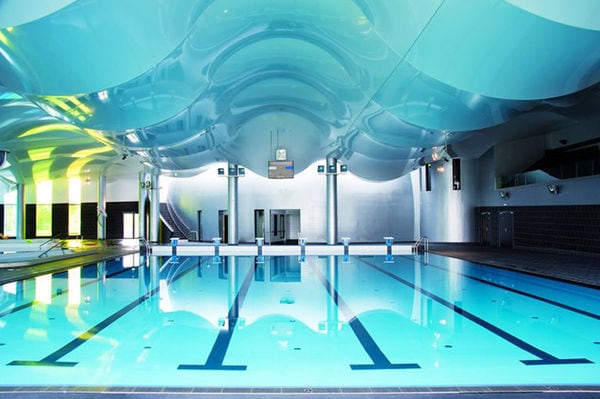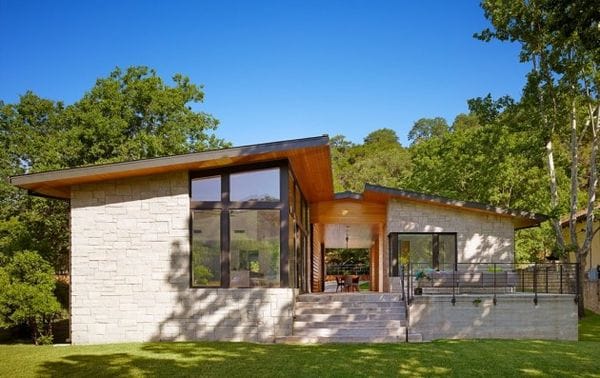

Bilbao Spain's Pormetxeta Square has been redesigned by Xpiral & MTM Architects. The aged 1960s public pavilion now features a new architectural identity that looks to the future.
Modified for a larger, more fluid and accessible space, the structure's existing plan has been replaced with a more purposeful design that focuses on a heightened user experience. Integrating ramps as well as street, road and railway access points, Xpiral and MTM Architects have transformed a popular public space into a national landmark.
The renovation of Pormetxeta Square features sharp steel elements, reminiscent of angular buildings seen in popular sci-fi flicks. From its eye-catching exterior to a complex and awe-insiring use of lighting, this public pavilion is sure to impress Bilbao's groups of international visitors.
Key Themes Behind This Trend
- Futuristic Architectural Design
- The redesigned Pormetxeta Square features sharp steel elements and a complex use of lighting, presenting opportunities for innovative and futuristic architectural designs.
- Enhanced User Experience
- The transformation of Pormetxeta Square focuses on creating a heightened user experience through the integration of ramps and improved access points, opening up opportunities for innovations in urban planning and public space design.
- Innovative Public Landmarks
- The renovation of Pormetxeta Square into a national landmark showcases the potential for creating unique and visually striking public spaces that can become attractions for visitors, suggesting opportunities for the tourism and hospitality industry.
Where This Applies
- Architecture and Design
- The redesign of Pormetxeta Square presents opportunities for architects and designers to explore futuristic and visually stunning architectural concepts.
- Urban Planning
- The transformation of Pormetxeta Square highlights the need for innovative urban planning solutions to create more accessible and functional public spaces.
- Tourism and Hospitality
- The renovation of Pormetxeta Square into a national landmark suggests opportunities for the tourism and hospitality industry to leverage unique and visually striking public spaces as attractions for visitors.