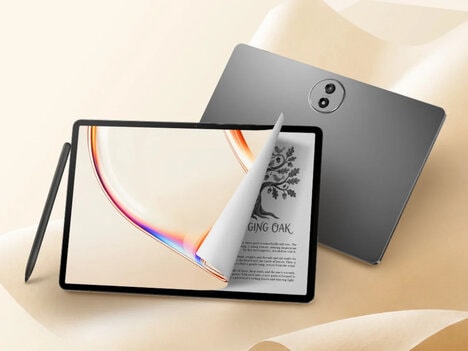
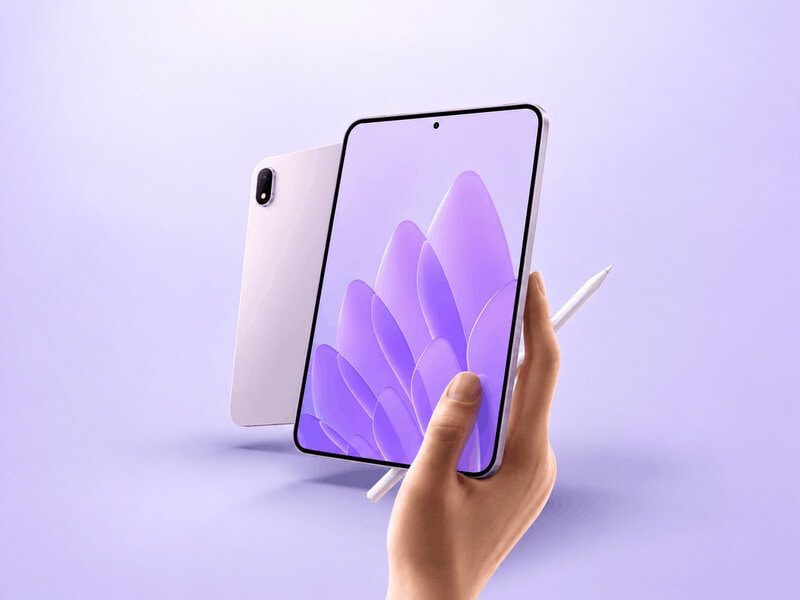
Oppo is bringing the Pad Mini Matte Display Edition to India on October 22 with a glare-cutting screen built for stylus users. The compact tablet pairs that matte OLED surface with a Snapdragon 8 Gen 5 chip and a Lavender Purple finish, giving the model a more tactile pitch than most small tablets.
Its 8.8-inch panel reaches 144 Hz, which keeps a compact screen fluid when people jump between reading, sketching, and scrolling. The matte surface also shifts the device toward note-taking and longer viewing sessions instead of the glossy, gaming-first feel attached to some rivals.
The matte display gives Oppo a firmer angle in India’s compact-tablet market because it competes on texture and glare control, not size alone. Pairing that finish with a flagship chip widens the appeal to buyers who want one small tablet for work, media, and pen input.
Image Credit: Oppo
What's Driving This Trend
- Matte OLED Tablets
- Glare-reducing OLED surfaces are repositioning compact tablets as comfortable productivity and reading devices rather than purely entertainment-focused screens.
- Stylus-first Portability
- Compact tablets optimized for pen input create new space for mobile note-taking, sketching, and document workflows in smaller device formats.
- Premium Compact Devices
- Flagship processors in small tablets signal a shift toward high-performance portable tools that blend work, media, and creative use cases.
Who This Affects Most
- Consumer Electronics
- Device makers can differentiate crowded tablet lineups through tactile display finishes, eye-comfort features, and compact premium positioning.
- Digital Productivity
- Software ecosystems for notes, reading, annotation, and multitasking gain relevance as matte compact tablets make longer work sessions more practical.
- Education Technology
- Portable glare-controlled tablets support digital textbooks, handwriting, and classroom mobility, expanding the role of compact devices in learning environments.