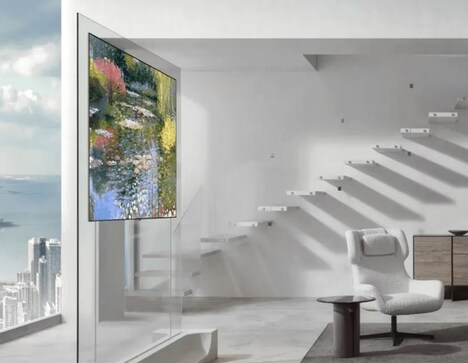

LG is bringing a little museum culture into the living room, adding more than 100 works from The Metropolitan Museum of Art to its Gallery TV and LG Gallery+ service. The collection lets owners display art on their screens when they’re not watching television, turning a blank wall into a rotating gallery at home.
Designed to blend into the room, the Gallery TV sits close to the wall and features interchangeable magnetic frames that can be matched to different interiors. Its matte screen helps reduce glare when displaying artwork, while LG Gallery+ also lets users showcase personal photos and AI-generated images, giving them more ways to personalise their space.
LG Gallery+ offers a free version on LG TVs, alongside a monthly premium subscription for those who want more. With The Met’s collection joining the service, the TV becomes more than a screen for films and shows, offering another way to bring art into everyday spaces.
Image Credit: LG Electronics
What's Driving This Trend
- Ambient Art Displays
- Living room screens that shift into curated artwork create new value around passive media moments, blending decor, entertainment, and cultural access into one connected surface.
- Museum-to-home Licensing
- Cultural institutions can extend their reach through digital collections embedded in consumer electronics, opening fresh revenue models beyond physical visits and gift shop products.
- Personalized Interior Screens
- AI-generated imagery, personal photos, and customizable frames position televisions as adaptive design elements that reflect changing tastes, moods, and room aesthetics.
Who This Affects Most
- Consumer Electronics
- Premium TV makers are differentiating through lifestyle services and design integration, moving beyond hardware specs toward subscription-driven home experiences.
- Museums and Culture
- Digitized art partnerships with technology platforms allow museums to enter everyday domestic spaces while broadening audience engagement through accessible display formats.
- Interior Design
- Wall-mounted smart displays with matte finishes and interchangeable frames are reshaping how designers treat screens as intentional visual features rather than hidden appliances.