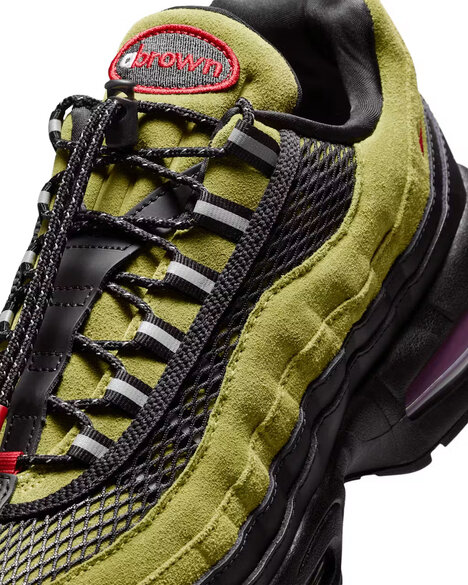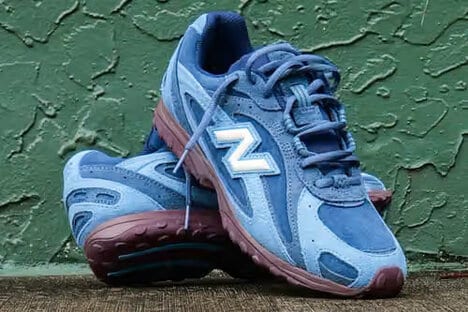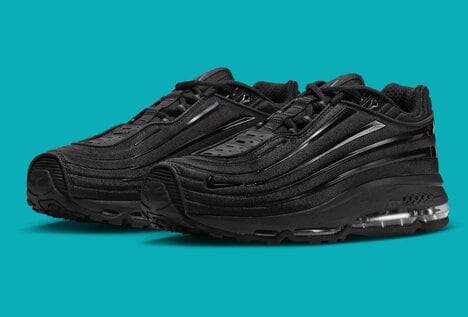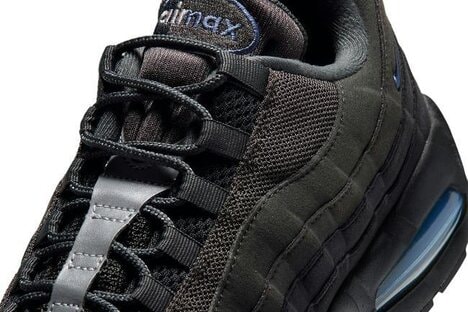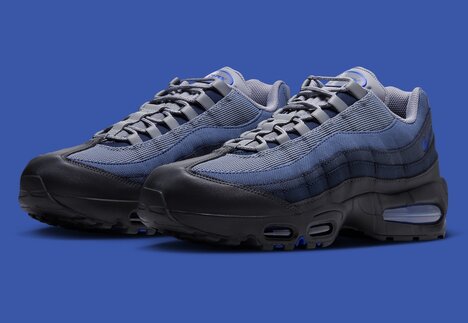
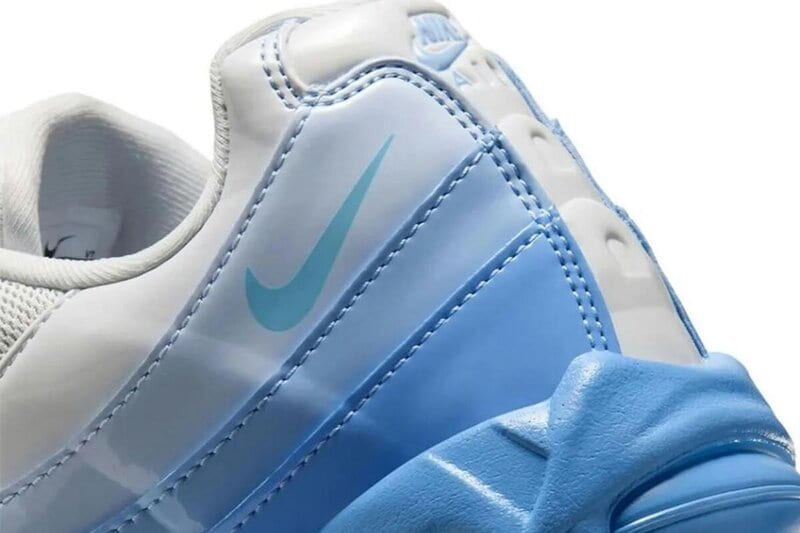
Nike is reworking the Air Max 95 in its Blue Tint edition, using a cold blue fade and a slick sheen to give the retro runner a sharper, winter-leaning look. The update keeps the silhouette intact while shifting attention to color and finish rather than a structural redesign.
The signature side panels shift through lighter blues, which makes the Air Max 95's anatomy-inspired lines stand out more clearly. Blue also reaches the visible Air units, so the color story carries through the base of the shoe instead of reading like an upper-only tweak.
The Blue Tint makeover turns an archival Nike model into a fresh fashion proposition without asking buyers to learn a new shape. Gloss on a familiar runner widens the Air Max 95's use as a lifestyle shoe, giving Nike another way to sell heritage performance design through color alone.
Image Credit: Nike
Key Themes Behind This Trend
- Glossy Heritage Refreshes
- Archival sneaker silhouettes gain renewed commercial relevance when high-shine finishes create a contemporary fashion cue without changing familiar product architecture.
- Seasonal Color Storytelling
- Winter-inspired gradients and tonal detailing allow brands to reposition existing footwear as timely lifestyle pieces through surface-level design updates.
- Anatomy-highlighting Palettes
- Color fades that emphasize layered construction can turn legacy design features into visible points of differentiation for style-driven consumers.
Where This Applies
- Athletic Footwear
- Performance shoe brands can extend the lifecycle of iconic models by using finish, tint, and material perception as low-risk levers for novelty.
- Streetwear Fashion
- Retro runners with elevated seasonal treatments create crossover value for consumers seeking collectible, wearable products rooted in recognizable sports heritage.
- Retail Merchandising
- Color-led product drops give retailers fresh storytelling moments around established inventory, supporting limited-edition appeal without requiring entirely new silhouettes.