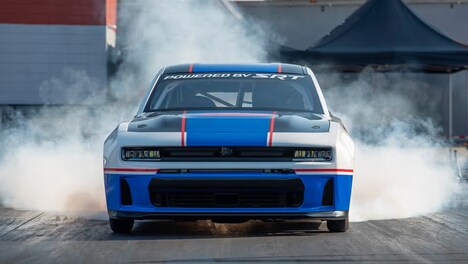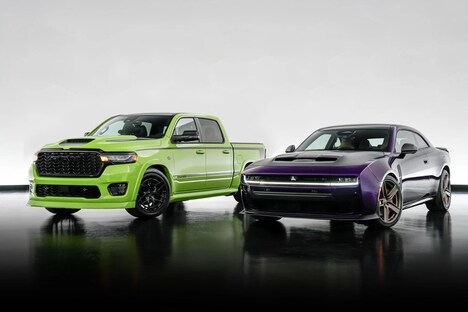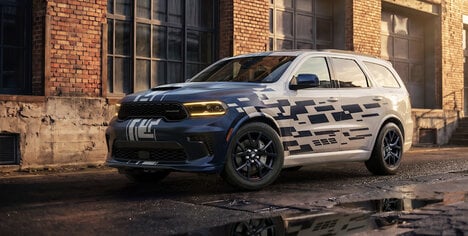
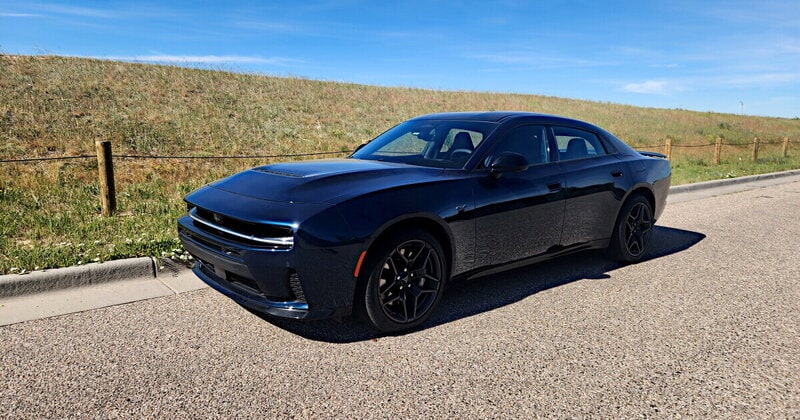
Dodge is bringing gasoline power to the redesigned Charger with the 2026 Charger Sixpack, a twin-turbo inline-six model for muscle-car buyers who still want engine sound and straight-line punch. It restores a combustion option after the electric Charger Daytona and the Hemi V8's exit, while avoiding speaker-fed exhaust theatrics.
The Hurricane inline-six makes 420 horsepower in the R/T and 550 in the Scat Pack. The car comes in two- and four-door forms, and every version uses an eight-speed automatic with all-wheel drive. Drivers can shut that system off and send power rearward for burnouts or donuts.
Selectable rear-drive mode on an all-wheel-drive Charger widens the car's reach between everyday use and old-school muscle expectations. The gas-powered Sixpack also keeps combustion-minded Charger shoppers in Dodge's orbit if the Daytona felt like too sharp a break from the previous formula.
Image Credit: Aaron Turpen / New Atlas
Why This Trend Is Growing
- Combustion Continuity
- Legacy performance brands are preserving gasoline options alongside electrified models, creating white space for transitional products that retain loyal enthusiasts while broader powertrain adoption evolves.
- Switchable Drivetrains
- Performance vehicles with configurable all-wheel and rear-wheel drive systems highlight opportunities for cars that merge daily usability with enthusiast-grade theatrics.
- Authentic Engine Sound
- Natural mechanical sound is becoming a differentiator as automakers move away from artificial audio enhancements, positioning authenticity as a premium performance attribute.
Industries Being Reshaped
- Automotive Manufacturing
- Automakers can use flexible powertrain portfolios to serve both electrification-focused buyers and consumers who still prioritize combustion performance.
- Performance Aftermarket
- Twin-turbo gasoline platforms create demand for tuning, exhaust, cooling, and drivetrain upgrades tailored to enthusiasts seeking higher personalization.
- Mobility Technology
- Adaptive vehicle systems that alter traction, drive mode, and performance behavior point to software-defined innovation within traditional high-horsepower segments.