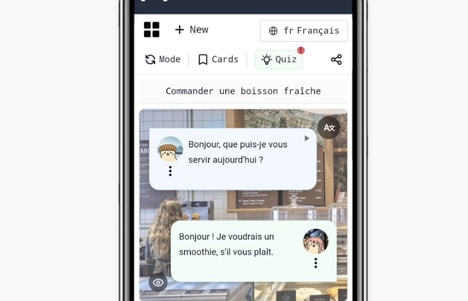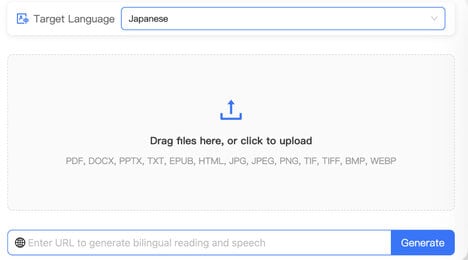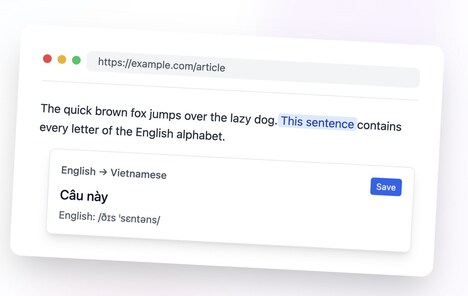
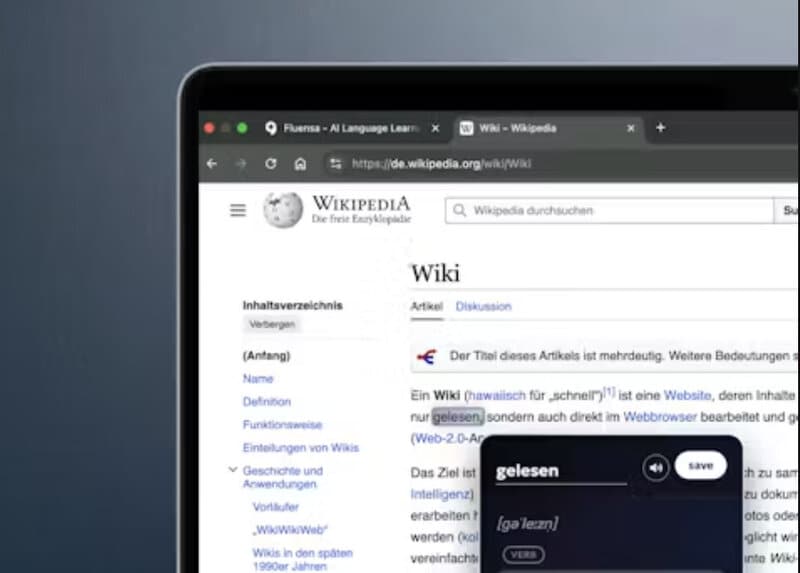
Learning a language can be easier when new vocabulary appears in context rather than through isolated flashcards. Fluensa brings language learning directly into the websites users already browse, allowing them to translate unfamiliar words without leaving the page.
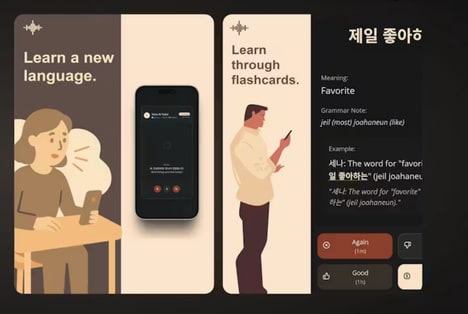
The tool also provides pronunciation, example sentences, and mini-quizzes to help users understand and remember new vocabulary. Instead of setting aside separate study time, Fluensa turns everyday online reading into an opportunity to practise. By combining instant translation with interactive exercises, the platform makes language learning feel more natural and continuous. It effectively transforms the internet into a personalised language classroom. Users can build their vocabulary as they browse, making each new article, website, or piece of content part of their language-learning journey.
Image Credit: Fluensa
What's Driving This Trend
- Embedded Language Learning
- Contextual vocabulary tools woven into everyday browsing create room for education platforms that blend seamlessly with users’ existing digital routines.
- Micro-practice Interfaces
- Short quizzes, pronunciation prompts, and example sentences point to learning models built around frequent, low-friction interactions rather than dedicated study sessions.
- Personalized Web Classrooms
- Browser-based translation and practice features suggest a shift toward adaptive learning environments generated from the content each user already consumes.
Who This Affects Most
- Edtech
- Language-learning companies can differentiate through tools that convert passive online reading into continuous, context-rich skill development.
- Web Browsers
- Browser ecosystems have potential to expand beyond navigation by embedding learning, translation, and comprehension layers directly into the user experience.
- Digital Publishing
- Publishers and content platforms may gain new relevance by supporting interactive reading experiences that help audiences learn while engaging with articles and websites.