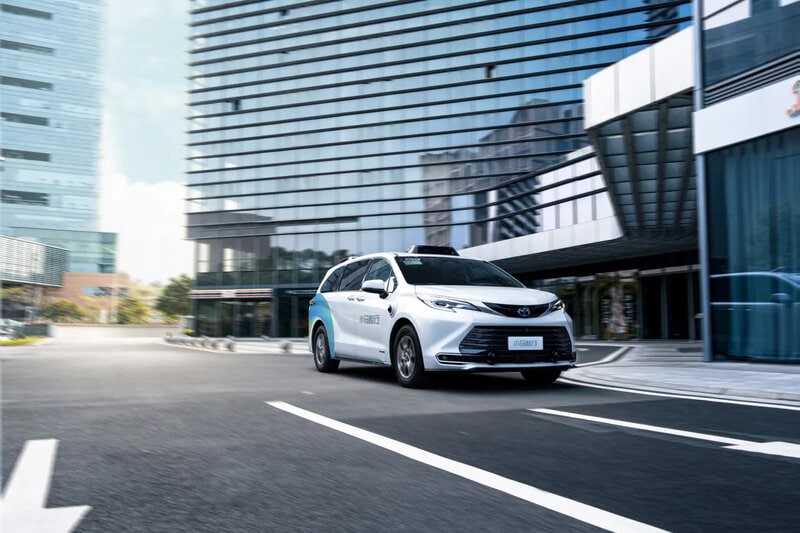
Uber is bringing driverless taxi trips to London with Pony.ai, starting Gen-7 robotaxi testing in the coming weeks as it builds toward local service for ride-hailing passengers. The move expands the companies' earlier Middle East partnership into Europe and gives the city another planned route to autonomous rides.
London is expected to follow the Zagreb model, with Pony.ai handling the self-driving system and Uber handling trip requests. Keeping both pieces inside one service could make autonomous rides easier for regular ride-hailing passengers to find.
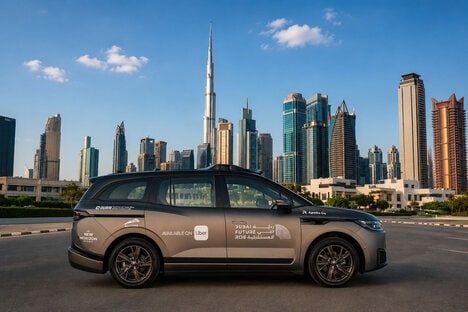
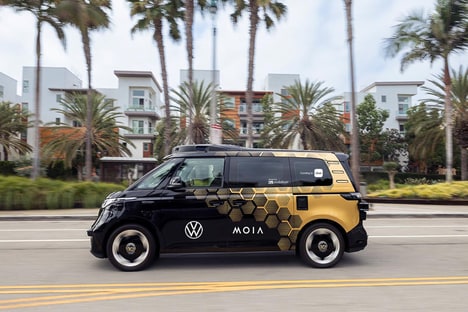
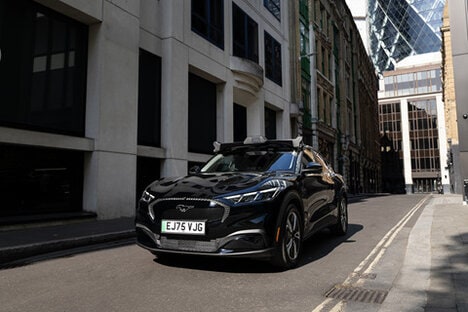
London adds another stop to Uber's autonomous-vehicle buildout, which is slated to reach as many as 15 cities worldwide by the end of 2026. Pony.ai's European expansion already includes a plan for 2,000 robotaxis after a Zagreb start, and Uber is also preparing a separate London service with Wayve. That mix could give riders more than one autonomous option in the city.
Image Credit: Pony.ai
Key Themes Behind This Trend
- Multi-partner Robotaxi Networks
- Ride-hailing platforms are assembling multiple autonomous vehicle partners within the same market, creating openings for interoperable dispatch, fleet balancing, and differentiated passenger experiences.
- Integrated Autonomous Ride-hailing
- Combining booking, routing, and self-driving operations inside familiar mobility apps can lower adoption friction and reshape how urban riders access driverless transport.
- European Robotaxi Expansion
- Regulatory progress and city-by-city pilots across Europe are turning autonomous taxis into a competitive mobility layer for global platforms and local transit ecosystems.
Where This Applies
- Ride-hailing
- Autonomous fleets embedded in existing trip-request platforms may shift cost structures, availability patterns, and service expectations across urban mobility markets.
- Autonomous Vehicles
- Commercial robotaxi deployments in dense European cities create demand for advanced perception systems, safety validation, remote operations, and localized driving intelligence.
- Urban Transportation
- Driverless taxi services could become a new complement to public transit, influencing curb management, multimodal planning, and late-night mobility access.