
New Dawn Bio, a Wageningen-based deep-tech startup, is developing a cultured wood production process that uses tree stem cells grown in bioreactors to create wood without logging. Founded in 2024, the company harvests stem cells from trees, multiplies them in controlled bioreactors and directs them to harden into the shape of a desired end product, enabling wood to be produced directly in its final form.
The company recently closed an oversubscribed €2.1 million pre-seed funding round led by CapitalT, with participation from Norrsken Evolve, Ontdekkers Group and several angel investors. New Dawn Bio plans to use the funding to advance cultured wood product development and expand its interdisciplinary R&D team, which combines expertise in plant biotechnology, materials engineering, bioinformatics, bioprinting and additive manufacturing.
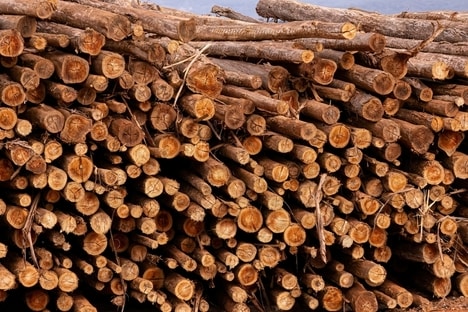
For manufacturers, the technology could reduce material waste by producing shaped wood components without traditional cutting and machining processes, while also offering an alternative to conventional forestry. If successfully scaled, cultured wood could support more resource-efficient supply chains and contribute to efforts aimed at reducing environmental impacts associated with timber production.
Image Credit: New Dawn Bio
What's Driving This Trend
- Lab-grown Timber
- Cultured wood introduces a renewable materials model where tree cells become finished components without harvesting mature forests.
- Biofabricated Materials
- Bioreactor-based production expands the role of biotechnology in creating structural materials with controlled properties and lower waste profiles.
- Near-net-shape Manufacturing
- Final-form wood growth reduces reliance on sawing, milling and machining, reshaping how manufacturers think about material efficiency.
Who This Affects Most
- Sustainable Construction
- Building material suppliers gain access to wood alternatives that align with lower-impact construction and more predictable resource availability.
- Furniture Manufacturing
- Custom-shaped cultured wood supports furniture production with fewer offcuts, shorter processing chains and novel design flexibility.
- Forestry Technology
- Cell-based timber platforms redefine forest resource management by separating wood supply from conventional land-intensive logging cycles.