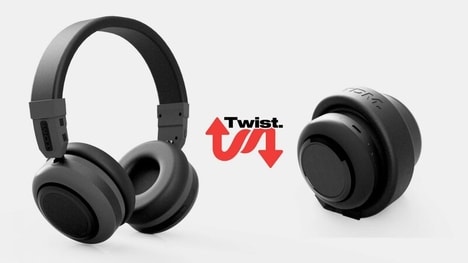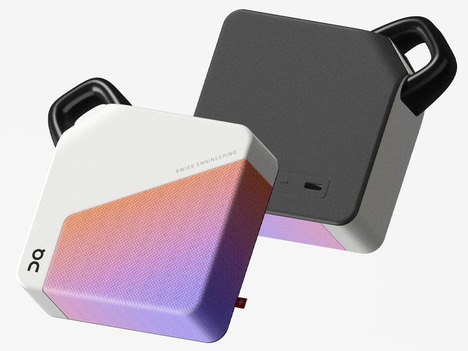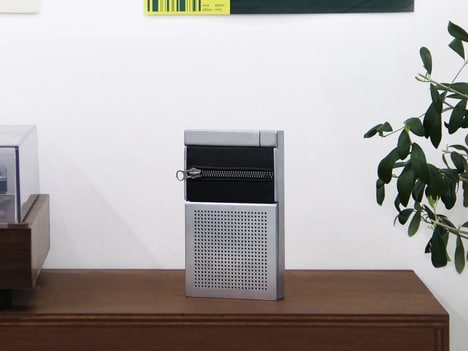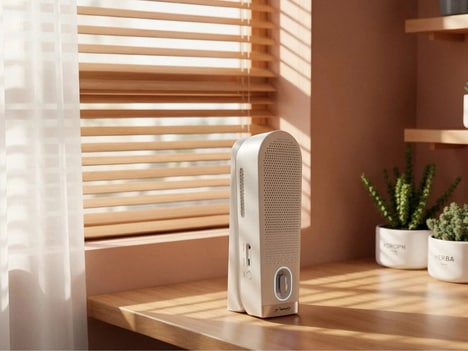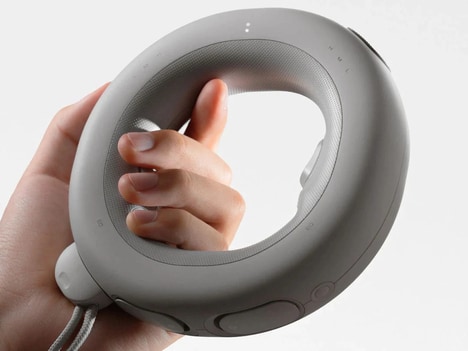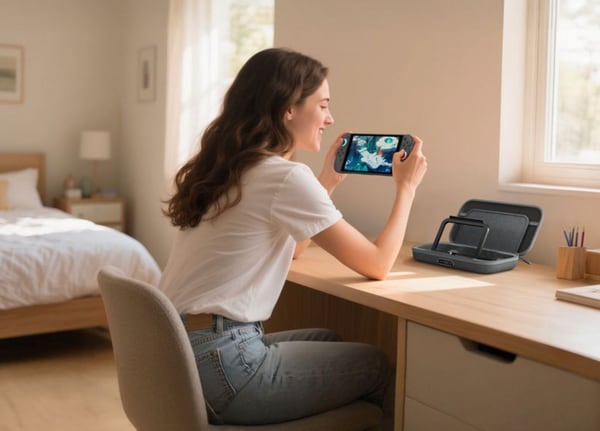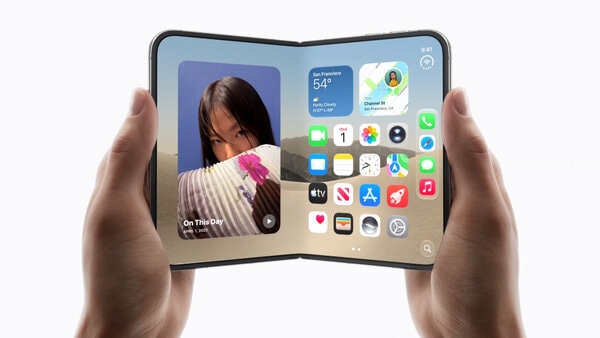

TDM’s Neo turns one portable audio product into two listening modes. Twisted open, it becomes wireless headphones; twisted shut, it works as a speaker again, giving users a single device for private listening and room playback.
The design centers on that rotating form, so the shift between modes happens through the hardware itself rather than a separate accessory or app. As a portable speaker, it still stays easy to carry, but the reversible build adds a second use case without adding another item to pack.
At a time when audio gear often does one job, Neo compresses two into one shell. That kind of convergence can appeal to buyers who want fewer devices to manage and a product that moves from shared listening to personal listening without changing hardware.
Image Credit: TDM
Why This Trend Is Growing
- Convertible Audio Devices
- Hybrid hardware that physically shifts between speaker and headphone modes highlights room for audio products that reduce device clutter while expanding everyday use cases.
- Mechanical Mode Switching
- Tactile transformation mechanisms can differentiate consumer electronics by making feature changes feel immediate, visible, and independent of companion apps.
- Minimal Carry Tech
- Compact multi-use gadgets reflect growing interest in portable products that combine several functions for travel, commuting, and flexible home environments.
Industries Being Reshaped
- Consumer Electronics
- Device convergence creates space for differentiated hardware ecosystems built around fewer, more versatile products instead of single-purpose accessories.
- Portable Audio
- Dual-mode listening formats introduce new product categories between personal headphones and shared speakers, reshaping expectations for mobility and convenience.
- Travel Accessories
- Space-saving entertainment devices align with demand for lighter packing solutions that maintain both private and social listening options on the move.