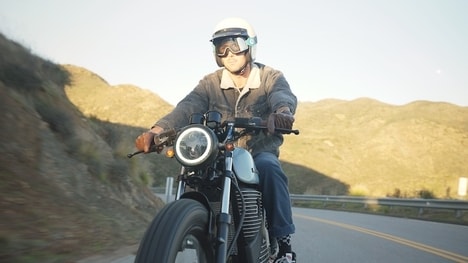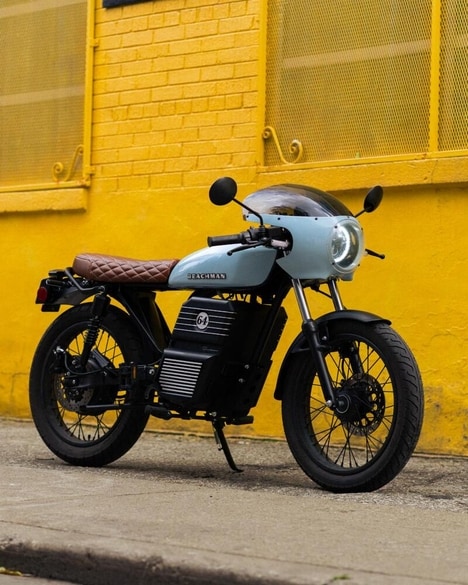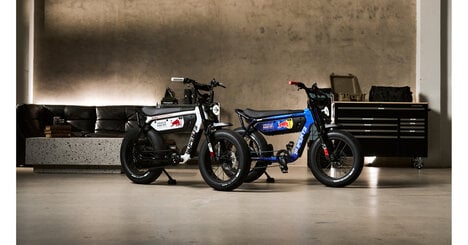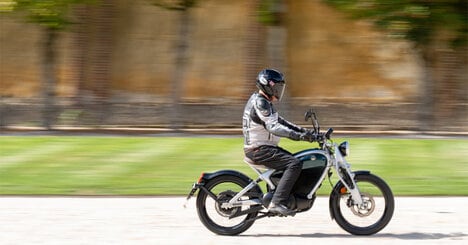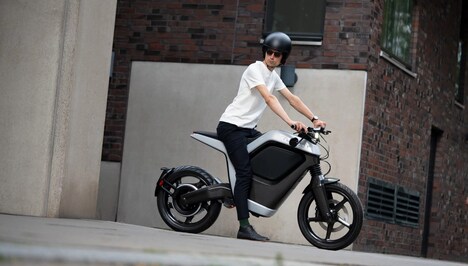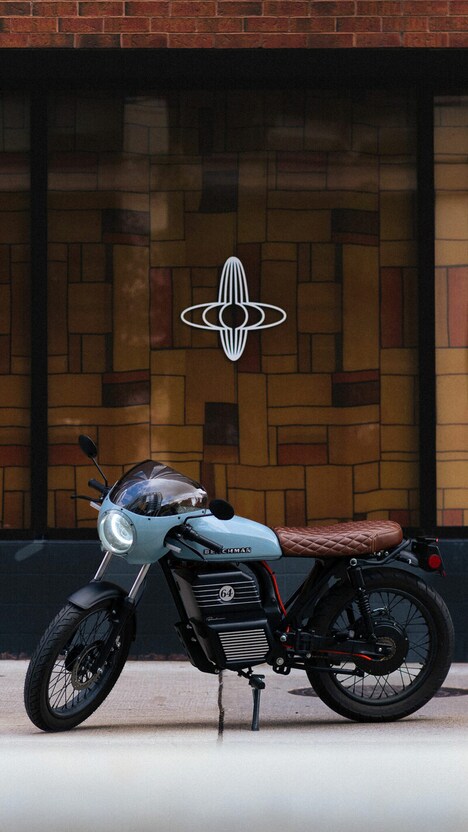
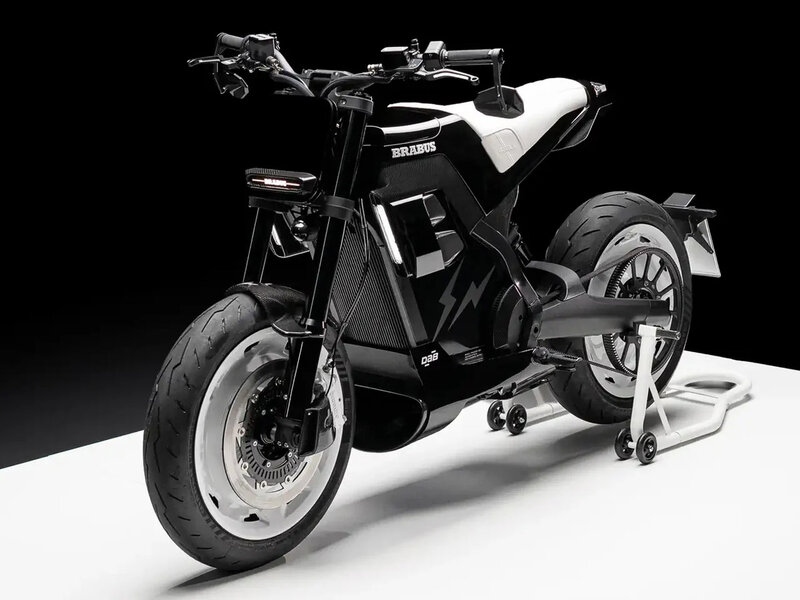
BRABUS is offering riders a more collectible way to commute with the 'Urban E Fragment Edition,' an electric city motorcycle developed in collaboration with Hiroshi Fujiwara's Fragment Design and DAB Motors. It retains the Urban E's core hardware but swaps in a restrained black-and-white finish for a sharper, more gallery-minded presence on the street.
Only 10 will be made, so ownership feels more like a fashion drop than a typical motorcycle purchase. Fragment's lightning-bolt mark is tucked into the translucent taillight rather than splashed across the body, and the 27-kW motor still delivers up to 150 km of city range for everyday riding.
For shoppers, this means the Urban E Fragment Edition is more of a signed object than a pure spec play. Premium electric motorcycles aimed at style-conscious buyers now have to meet a tougher brief, pairing commuter utility with a clear design point of view.
Image Credit: BRABUS/DAB Motors
Key Themes Behind This Trend
- Collectible Electric Mobility
- Limited-edition city vehicles are reshaping commuting into a scarcity-driven ownership experience where utility, design, and resale appeal converge.
- Fashion-led Vehicle Drops
- Collaborations between mobility brands and cultural designers introduce hype-cycle mechanics to transportation, creating demand beyond traditional performance specifications.
- Minimalist Branded Hardware
- Subtle visual signatures and restrained finishes signal a shift toward premium mobility products that function as understated lifestyle objects.
Where This Applies
- Electric Motorcycles
- Compact electric two-wheelers are gaining room for differentiation through exclusivity, design language, and urban practicality rather than range alone.
- Luxury Automotive
- High-end vehicle makers can extend brand equity into niche electric formats that blend collectible value with everyday transportation.
- Streetwear and Fashion
- Design-driven collaborations position apparel and lifestyle labels as influential tastemakers in emerging premium mobility markets.