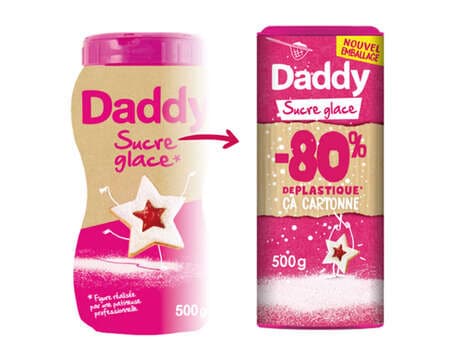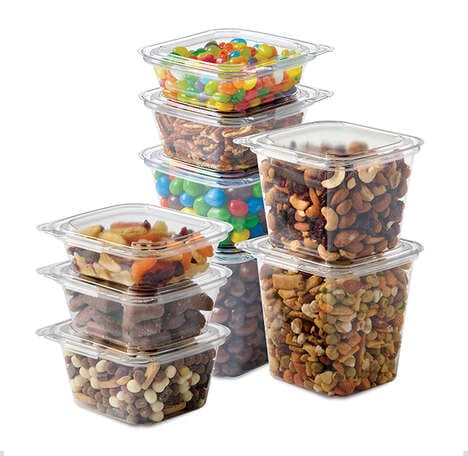
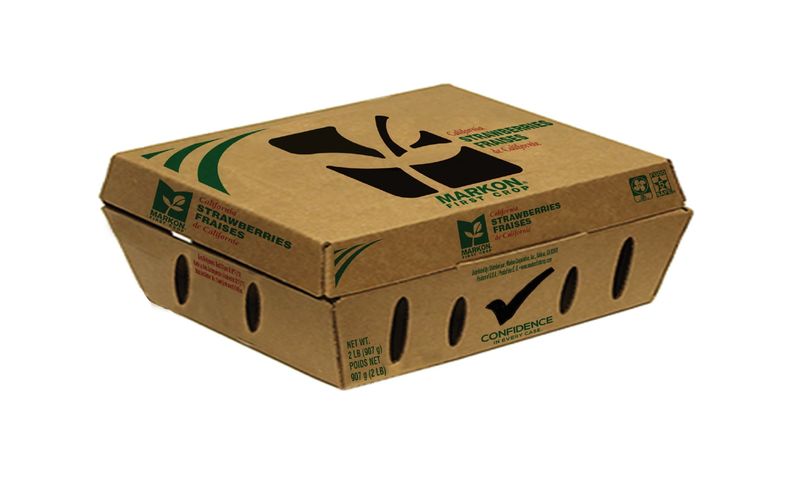
A variety of berries are sold in plastic clamshell packaging—a one-piece container made up of two halves that are joined by a hinge—but Ben E. Keith Foods is out to change this with the Ready-Cycle, corrugated, fully recyclable clamshells. The new container design is set to help reduce single-use plastic packaging and this summer, strawberries will be available in the sustainable packaging solution.
While millions of tons of plastic are created annually, only a small percentage of the material ends up getting recycled. By converting its two-pound plastic strawberry clamshell packaging to cardboard, and planning the same for its one-pound containers, Ben E. Keith Foods estimates that it has the potential to help to save "nearly 30 tons of plastic from going into landfills or oceans."
What Makes This Trend Stand Out
- Plastic Packaging Reduction
- The shift to corrugated, fully recyclable clamshells presents an opportunity for businesses to reduce single-use plastic packaging.
- Sustainable Packaging Solutions
- The introduction of cardboard clamshell packaging opens up opportunities for sustainable packaging solutions across various industries.
- Increased Recycling Efforts
- The use of fully recyclable clamshells encourages businesses to invest in increased recycling efforts and infrastructure.
Sectors Adopting This
- Food Packaging Industry
- The cardboard clamshell packaging innovation disrupts the traditional plastic packaging industry and offers new possibilities for eco-conscious food packaging.
- Berry Industry
- The sustainable packaging solution for berries presents a disruptive innovation opportunity for the berry industry to enhance their environmental sustainability efforts.
- Recycling Technology Industry
- The shift towards fully recyclable clamshell packaging creates opportunities for the recycling technology industry to develop improved recycling processes and machinery.